 Armenian
 German
 Spanish
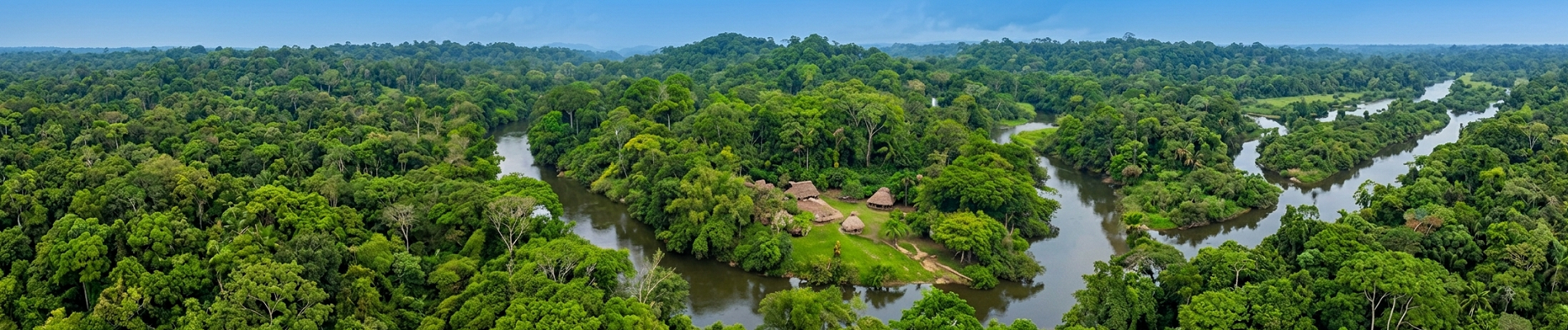
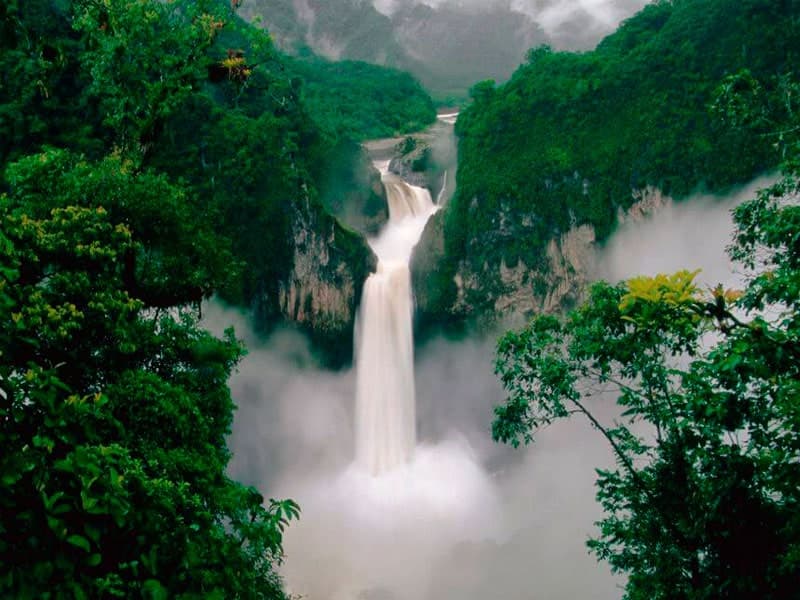
Ecuador may be small in size, but it packs an extraordinary diversity into its borders: snow-capped Andean peaks, lush Amazon rainforest, vibrant colonial cities, and the legendary Galápagos Islands. For travelers seeking variety without long transit times, Ecuador offers an unusually compact and rewarding destination.
Cities Worth Exploring
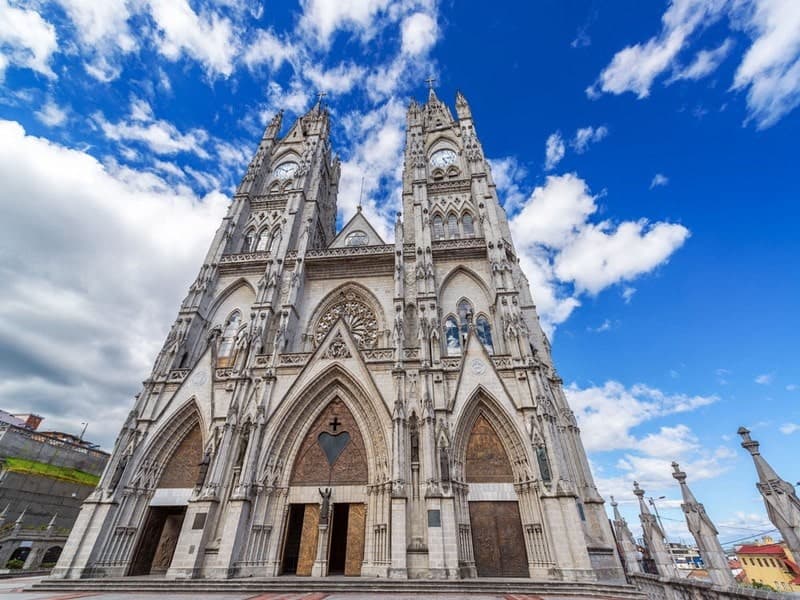
Quito, the capital, sits high in the Andes at nearly 2,850 meters above sea level. Its historic centre is one of the largest and best-preserved in Latin America, filled with colonial churches, plazas, and balconied houses that recall centuries of Spanish influence. Just outside the city, visitors can stand at the equator itself, with one foot in each hemisphere.
Guayaquil is Ecuador's largest city. It has a different character: coastal, commercial, and increasingly modern. The city riverside boardwalk, the Malecón 2000, transformed the city's waterfront into a lively promenade for walking, dining, and people-watching.
Cuenca, a UNESCO World Heritage city, charms visitors with cobblestone streets, blue-domed cathedrals, and a relaxed pace that has made it popular among long-term travelers and retirees alike.
We'll cover Ecuador's landmarks, natural wonders, and the Galápagos Islands in detail in a dedicated sights guide, so we'll keep things brief here.
Culture & People
Ecuador's culture reflects a blend of indigenous heritage, Spanish colonial history, and Afro-Ecuadorian traditions, particularly along the coast. Indigenous communities, especially in the Andean highlands, maintain traditions in textiles, music, and agriculture that date back centuries. Markets such as the one in Otavalo are among the largest indigenous markets in South America, offering handwoven textiles, jewellery, and crafts.
Music plays a central role in daily life, from Andean pan-flute melodies to coastal salsa and cumbia rhythms. Family bonds remain strong, and community celebrations are an important part of social life throughout the year.
Cuisine
Ecuadorian food varies significantly by region, shaped by the country's three distinct geographic zones: the highlands, the coast, and the Amazon.
In the highlands, locro de papa (a creamy potato and cheese soup) and hornado (slow-roasted pork) are staples. Cuy (roasted guinea pig) remains a traditional dish in many Andean communities, though it may not appeal to every traveler.
On the coast, seafood takes centre stage. Ceviche, prepared with shrimp, fish, or a mix of seafood in a citrus marinade, is a must-try, often served with toasted corn or plantain chips. Encebollado, a hearty fish soup with onions and cassava, is considered something of a national comfort food, particularly popular as a hangover cure.
Throughout the country, plantains appear in countless forms, fried, mashed, or grilled, alongside empanadas, fresh tropical fruits, and rich Ecuadorian chocolate, considered among the finest in the world due to the quality of the country's cacao.
Holidays & Festivals
Ecuador's calendar is rich with celebrations that blend indigenous and Catholic traditions. Inti Raymi, the Andean festival celebrating the summer solstice in late June, features traditional dance, music, and rituals honouring the sun god, particularly vibrant in Otavalo and other highland towns.
Día de los Difuntos (Day of the Dead) in early November is observed with visits to cemeteries, where families share a special drink called colada morada and bread shaped like figures known as guaguas de pan.
Carnival, celebrated in February or March depending on the year, brings water fights, parades, and music to towns across the country, especially in Ambato, where the Festival of Flowers and Fruits takes place.
Travel Tips
Ecuador's compact size means travelers can experience dramatically different climates within a single day. Quito's altitude can cause mild altitude sickness for some visitors, so taking it easy on the first day and staying hydrated is wise.
The official currency is the US dollar, which simplifies budgeting for many international travelers. While Spanish is the official language, English is commonly spoken in tourist areas, though basic Spanish phrases go a long way, especially outside major cities.
For those planning to visit the Galápagos Islands, booking well in advance is recommended, as park regulations limit visitor numbers and require permits.
Weather varies by region: the highlands stay mild year-round, the coast is warm and can be humid, and the Amazon is hot with frequent rainfall. Packing layers is a practical strategy regardless of the season.
In Magelline's view, Ecuador rewards travelers willing to move between extremes: from cool mountain air to steamy jungle heat, from colonial architecture to indigenous markets, from hearty Andean stews to fresh coastal ceviche. It's a destination where a short flight can completely change the scenery, the climate, and the cultural rhythm. For those planning a multi-stop South American itinerary, Ecuador offers a remarkable variety within a manageable geographic footprint, making it an efficient yet deeply rewarding addition to any travel plan.