 Armenian
 German
 Spanish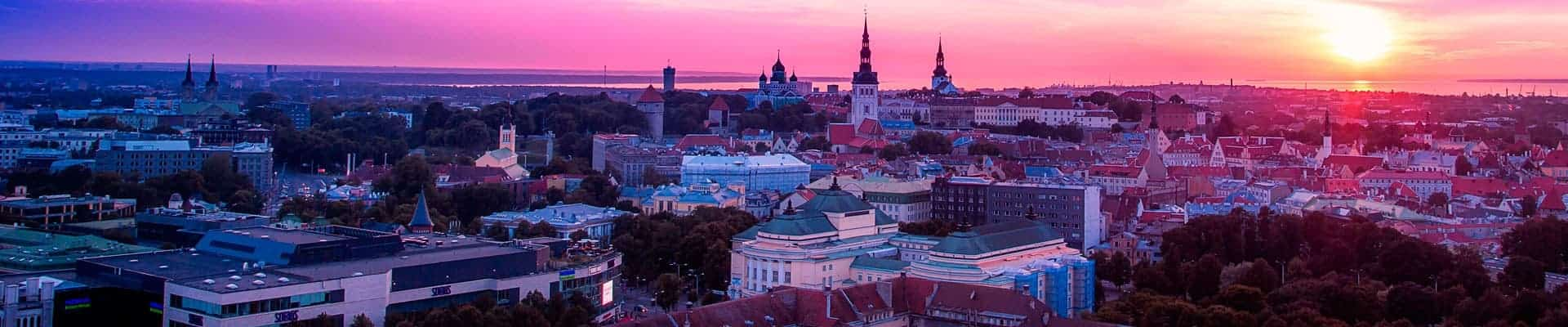

At the northeastern edge of the Baltic Sea lies a country that surprises quietly. Most countries show you their best face immediately. Estonia saves it for later. It draws you in slowly, through pine forests and medieval streets, through digital innovation and deep-rooted tradition, through landscapes that feel ancient and a society that feels ahead of its time.
Small in size but remarkable in depth, Estonia offers a travel experience that stays with you long after you leave.
The Regions & Character
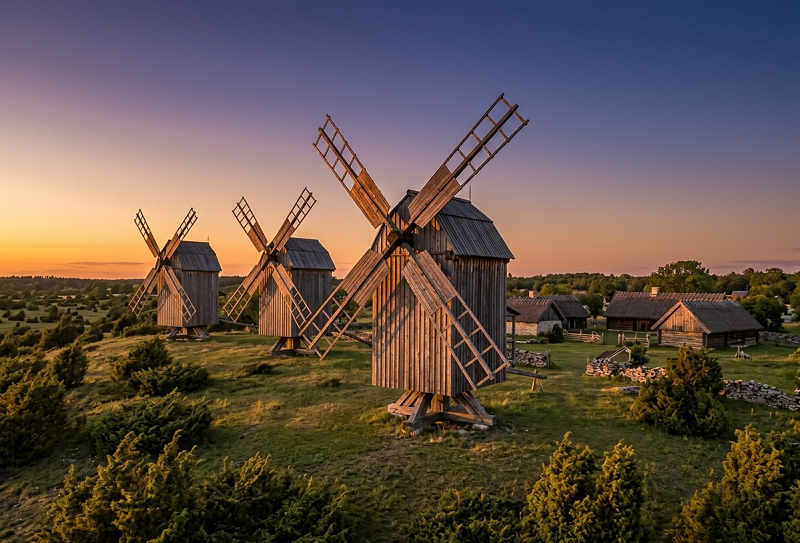
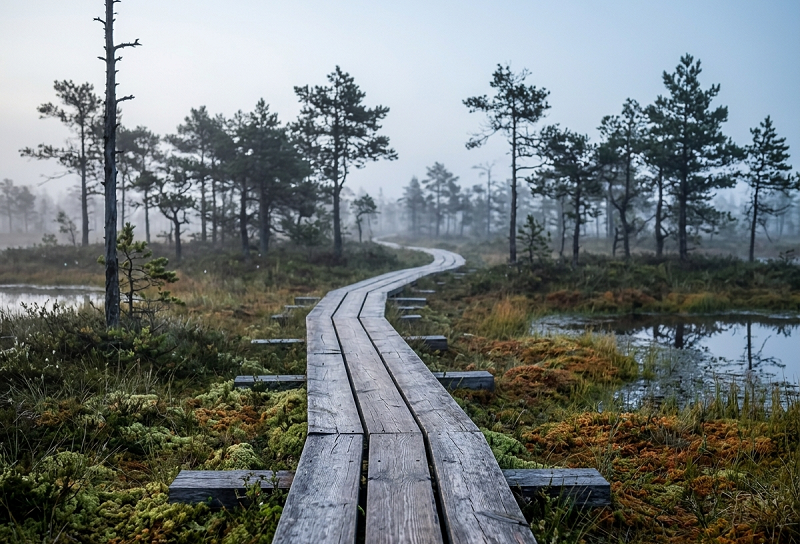
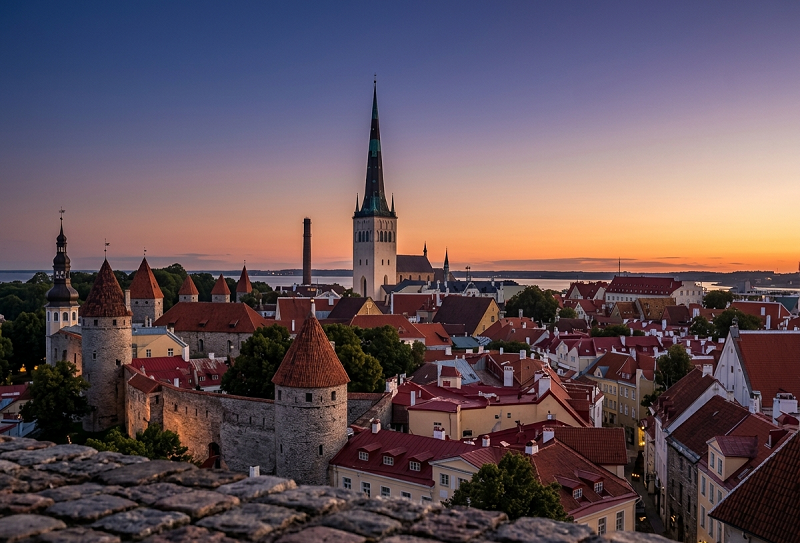
Each part of Estonia carries its own distinct personality. Tallinn in the north is where medieval history meets digital modernity. To the west, Saaremaa Island offers a slower, island rhythm far from the mainland's pace. Along the northern coast, Lahemaa National Park stretches into forests and bogs that feel genuinely untouched. Inland, Tartu brings university energy and creative culture, while the coastal town of Pärnu to the southwest is where Estonians themselves go to exhale in summer.
Top Places to Visit in Estonia
Estonia is compact but remarkably diverse, and every region rewards the traveler who takes the time to explore it. From Tallinn's medieval towers and Saaremaa's windmill-dotted landscapes to the wild bogs of Lahemaa and the sun-warmed beaches of Pärnu, the country offers experiences that range from deeply historical to quietly natural. To explore Estonia's highlights in detail, visit the Sights of Estonia page.
Culture, History, and Discovery
Estonia's history is layered and complex. Over the centuries it has been shaped by Danish, Swedish, German, and Russian influence, yet through all of it, the Estonian identity remained intact, expressed through language, song, and a fierce connection to the land.
The country's Song and Dance Celebration, held every five years, is one of the largest choral events in the world and a powerful expression of national pride. Alongside these deep cultural roots, Estonia has built one of the most advanced digital societies on the planet, pioneering e-residency, digital governance, and borderless innovation in ways that have inspired countries worldwide.
This duality, ancient culture and cutting-edge modernity, is what makes Estonia genuinely unlike anywhere else in Europe.
Estonian Gastronomy
Estonian cuisine is honest, seasonal, and rooted in the landscape. Rye bread, smoked fish, wild mushrooms, forest berries, and locally sourced dairy form the foundation of a food culture that values simplicity and quality above all.
In recent years, Tallinn's restaurant scene has grown into one of the most exciting in the Baltics, with chefs reinterpreting traditional recipes through a contemporary lens. Tartu's market halls and Pärnu's summer terraces add their own character to the country's culinary identity.
Landscapes Between Forest and Sea
More than half of Estonia is covered in forest. Add to that thousands of lakes, ancient bogs, a deeply indented coastline, and over 2,000 islands, and the result is a natural environment of rare diversity and tranquillity.
Travelers can experience bog walks at sunrise, island cycling routes, coastal hiking trails, and winter landscapes that feel almost meditative in their stillness.
Best Time to Visit
Spring and summer bring long Nordic days and outdoor festivals. Autumn colours the forests in amber and copper. Winter offers snow-covered towns, Christmas markets, and a Nordic quiet that has its own particular appeal. Estonia rewards visitors in every season.
In Magelline's view, Estonia is a destination for travelers who prefer depth over spectacle. It is a country that does not try to overwhelm, but instead offers something rarer: the space to slow down, look closely, and discover a place that reveals itself gradually, in layers of light, history, and forest silence. And that, in the end, is what makes it unforgettable.