 Armenian
 German
 Spanish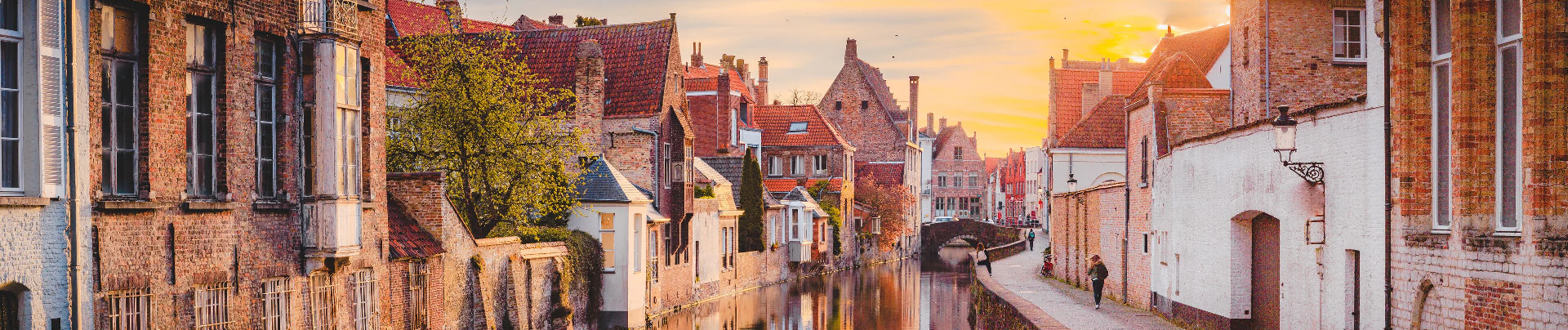

Belgium sits at the heart of Western Europe, a country where cultures meet and centuries of history unfold within compact distances. From medieval towns and elegant capitals to rolling countryside and a coastline shaped by the North Sea, Belgium offers a remarkable variety of experiences within a relatively small territory.
For travelers, Belgium is a destination where architecture, gastronomy, and culture intertwine. Gothic guild halls rise above lively squares, chocolate boutiques line cobbled streets, and cafés serve some of the most celebrated beers in the world.
Culture
Belgium is unique in Europe for its cultural diversity. Three official languages — Dutch, French, and German — reflect the country’s complex history and regional identity. In the north lies Flanders, where Dutch-speaking cities such as Antwerp, Ghent, and Bruges preserve magnificent medieval architecture and vibrant cultural life.
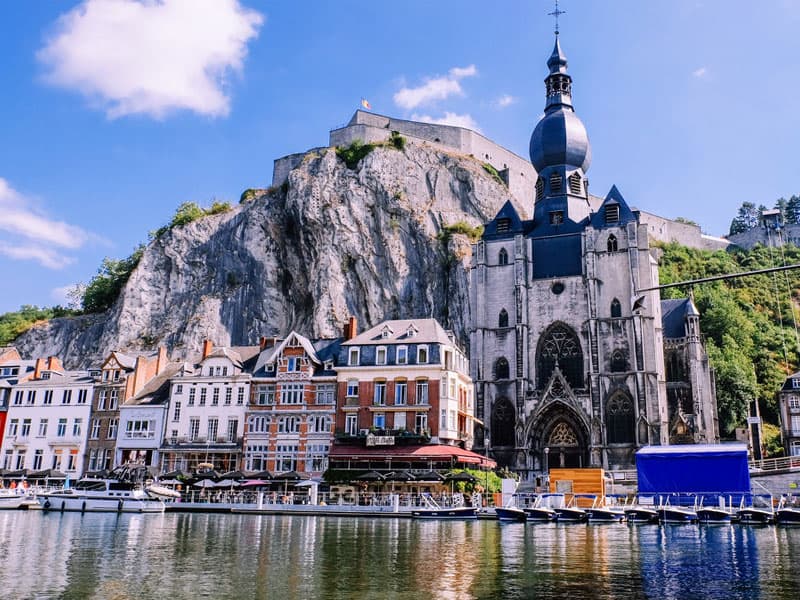
To the south stretches Wallonia, a region of forests, hills, and historic towns shaped by French-speaking traditions. Castles rise above river valleys, and quiet villages preserve a slower rhythm of life.
Between these regions stands the capital, Brussels — a cosmopolitan city that serves as the political heart of the European Union and one of Europe’s most international urban centers.
Landscapes
Despite its modest size, Belgium offers a surprisingly diverse landscape. The Ardennes in southern Belgium form a region of dense forests, river valleys, and rolling hills — a destination popular for hiking, cycling, and exploring historic castles.
In contrast, the Belgian North Sea coast presents wide sandy beaches and elegant seaside resorts such as Ostend and Knokke-Heist. Across the country, farmland, canals, and historic villages create scenery that feels both pastoral and deeply rooted in European history.
Cities
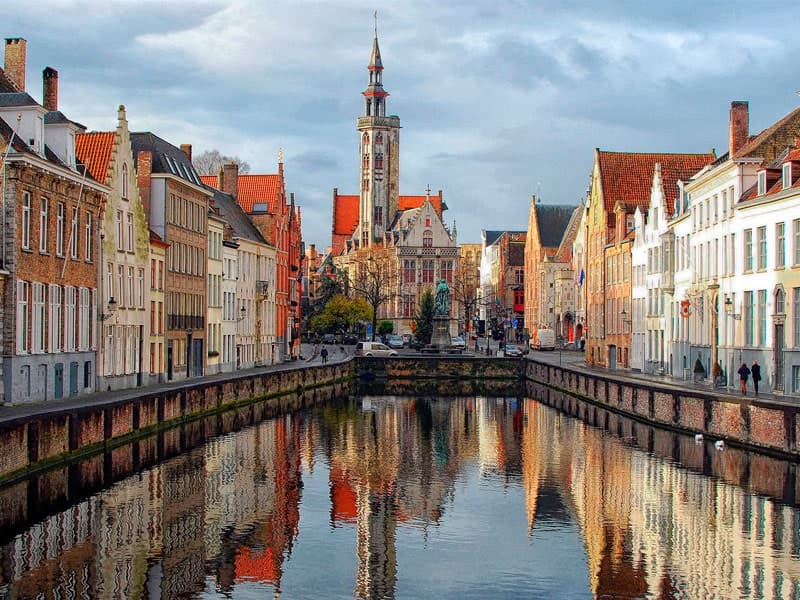
Belgium’s cities are among the most architecturally remarkable in Europe. In Bruges, canals wind through a perfectly preserved medieval centre where stone bridges and church towers define the skyline.
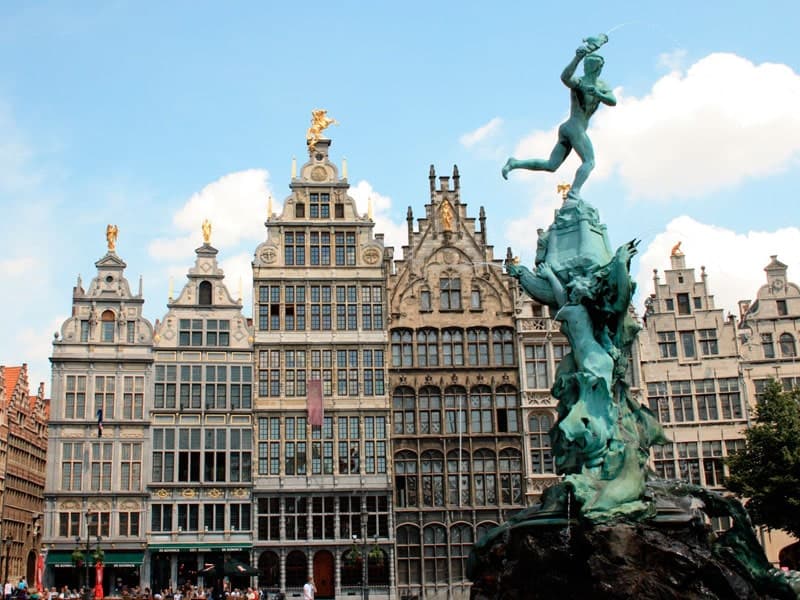
Ghent offers a lively atmosphere where historic guild houses stand beside vibrant cafés and university life. Meanwhile, Antwerp has long been a global centre of trade and creativity — famous for its diamond district, fashion scene, and magnificent cathedral.
Each city reveals a different chapter of Belgium’s history.
Belgian Cuisine and Culinary Traditions
Belgium is widely celebrated for its culinary culture. The country’s cuisine combines French refinement with hearty regional traditions. Belgian waffles, fries, and chocolate have become global icons, while traditional dishes such as carbonade flamande (a rich beef stew cooked with beer) reflect the country’s culinary heritage.
Belgium is also famous for its brewing tradition. With hundreds of varieties, Belgian beer ranges from strong Trappist ales brewed in monasteries to delicate lambic beers fermented through natural processes. For many visitors, exploring Belgium means discovering a country where food and drink are central to daily life.
Art, Architecture & Heritage
Belgium has played a major role in European artistic history. Masters of Flemish painting, such as Jan van Eyck and Peter Paul Rubens, shaped the development of European art.
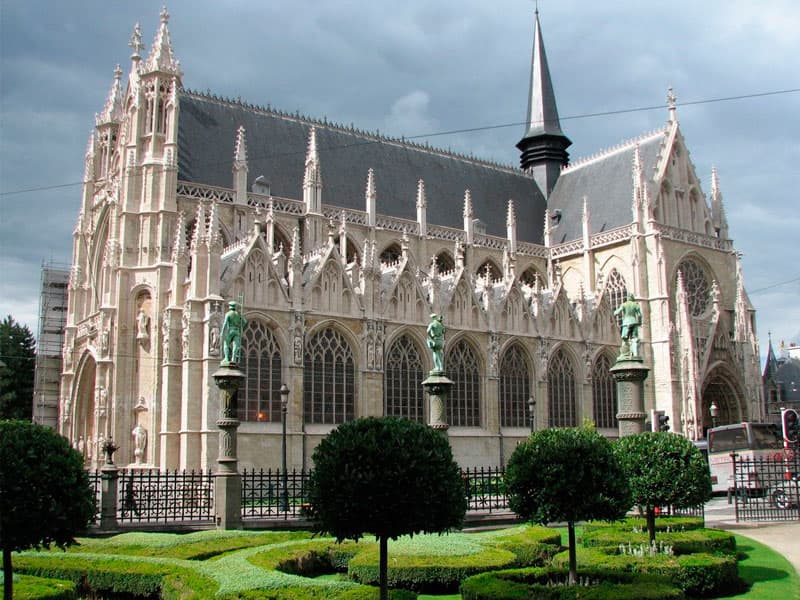
In the modern era, Belgium also became famous for Art Nouveau architecture, particularly the works of Victor Horta in Brussels.
From Gothic cathedrals to modern design, Belgium’s cultural heritage reflects centuries of artistic innovation.
A Destination at the Centre of Europe
Located between France, Germany, and the Netherlands, Belgium has long been a crossroads of European commerce and diplomacy. Today, Brussels hosts major international institutions, including the European Commission and the European Parliament.
Yet beyond its political importance, Belgium remains a destination defined by human-scale cities, culinary excellence, and historic beauty.
The Magelline Perspective
Belgium may appear small on the map, but its cultural depth is immense. Within a few hours of travel, visitors can move from medieval canals and Gothic squares to forest landscapes and coastal promenades.
In Magelline’s eyes, Belgium is a country where European elegance reveals itself not in grand gestures, but in the quiet richness of everyday life.