 Armenian
 German
 Spanish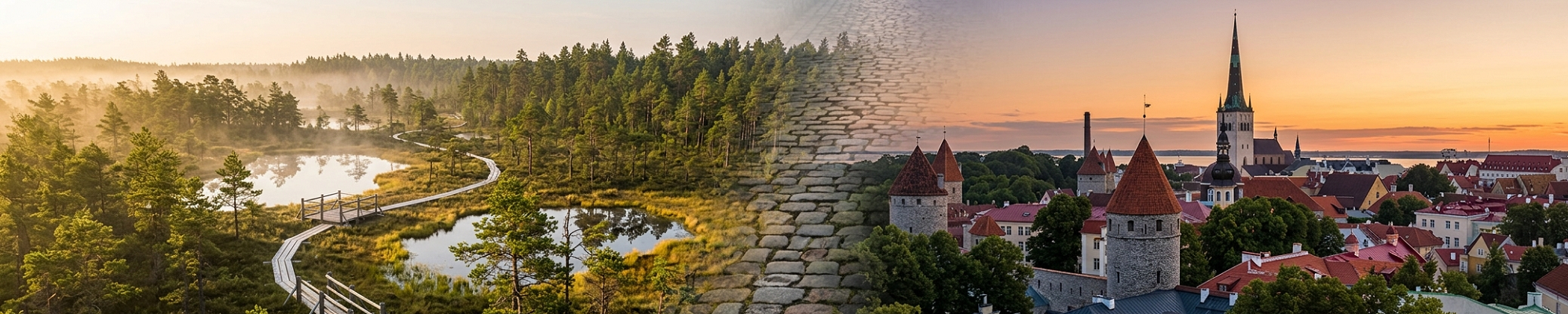
The smell of pine forests after rain. The silence of a bog at dawn. A medieval city where the stones are older than most nations.
Estonia announces itself not through spectacle, but through sensation, and once it has your attention, it rarely lets go.
Tallinn Old Town
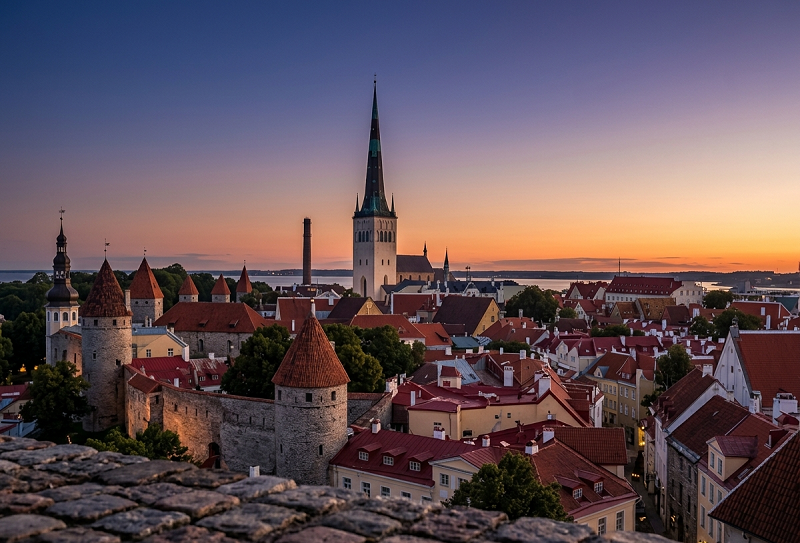
Step inside Tallinn's Old Town and the modern world simply stops. Stone walls. Gothic spires. Cobblestones worn smooth by centuries of footsteps. This UNESCO-listed medieval quarter is one of the best-preserved in all of Europe, not as a museum, but as a living place where the past has never quite released its hold.
Climb to Toompea Hill at dusk, look out over the red rooftops, and you will understand why people come here once and return for the rest of their lives.
Lahemaa National Park
Thirty minutes from the capital, the city disappears entirely.
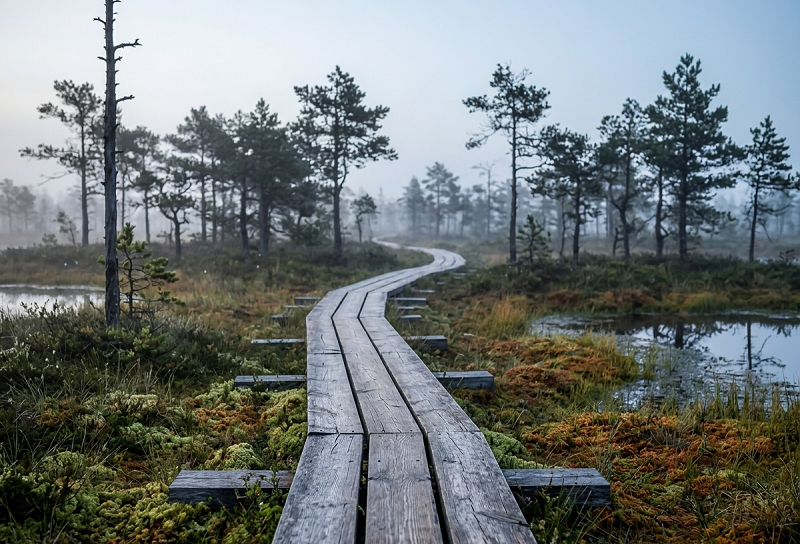
Lahemaa is Estonia's wild interior: dense pine forests, ancient raised bogs, and a Baltic coastline that feels like the edge of the world. Walk the wooden boardwalks across the wetlands in silence. Let the wind do the talking.
This is where Estonia stops being a place on a map and becomes something you carry with you.
Saaremaa
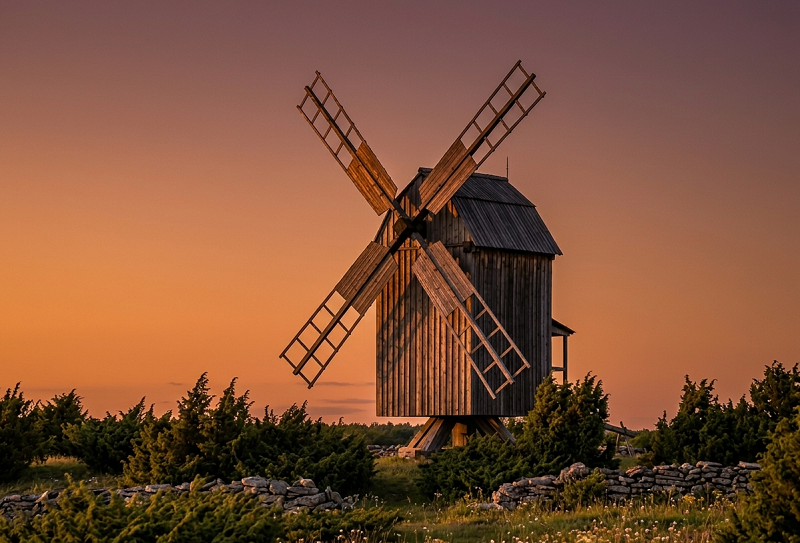
Saaremaa is an island of windmills and juniper meadows, of fishing villages and long unhurried afternoons. At its heart stands Kuressaare Castle, one of the Baltic's finest medieval fortresses, rising from its parkland with the quiet confidence of something that has never needed to prove itself.
Come here to slow down. Leave wondering why you ever moved so fast.
Pärnu Beach
Every country has a place where it exhales. For Estonia, that place is Pärnu. Known as the summer capital, this coastal resort town trades stone and silence for wide sandy beaches, sun-warmed promenades, and the kind of easy golden afternoons that feel almost impossible to leave. Wooden villas line the streets. Cafés spill onto terraces. The Baltic glitters.
It is Estonia at its most open, and its most irresistible.
Narva Castle
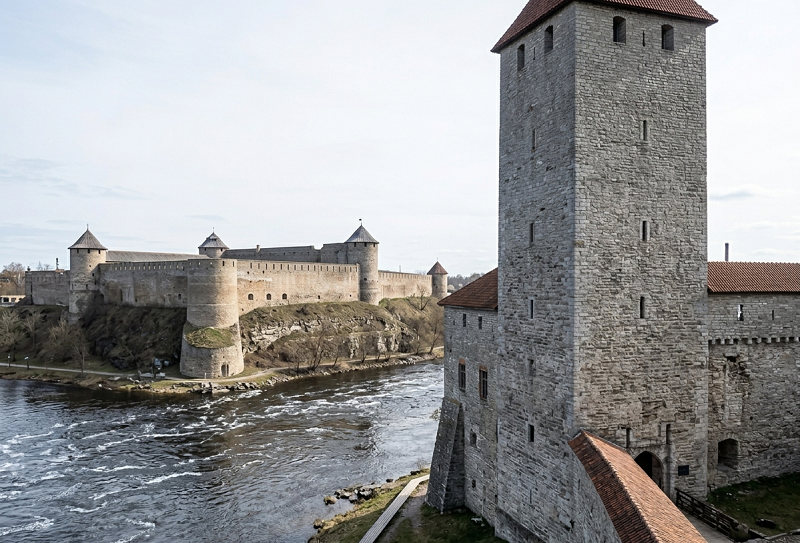
At the far eastern edge of the country, Estonia tells a different kind of story. Narva Castle stands on the bank of the Narva River, facing Russia across the water. Directly opposite, Ivangorod Fortress stares back. Two medieval strongholds, two countries, one narrow river between them, and centuries of history compressed into a single view.
It's one of the most quietly dramatic border landscapes in Europe. Stand there long enough, and you feel the weight of it.
Soomaa National Park
Every spring, something extraordinary happens in Soomaa: the snow melts, the rivers rise, and the forests flood. Roads vanish. Meadows become lakes. The familiar landscape transforms into something navigable only by canoe, a fifth season, as the Estonians call it, unlike anything in the rest of Europe.
This is a reminder that nature here does not perform on a schedule. It does what it has always done.
Kadriorg Palace
Not everything in Estonia is wild or ancient. Some of it is simply beautiful. Built by Peter the Great on the shores of Tallinn Bay, Kadriorg Palace is a baroque jewel: rose gardens, symmetrical paths, and grand interiors that now house one of Estonia's finest art collections. It is refined without being cold, historic without feeling frozen.
Why Estonia?
What makes Estonia remarkable is not any single sight. It is the balance: a medieval city beside an ancient forest. A baroque palace minutes from a wild coastline. A border castle facing another country across a narrow river. Nowhere here feels excessive, nowhere feels incomplete.
Estonia does not overwhelm you. It stays with you, quietly and persistently, long after you have gone home. And that, in the end, is the most powerful thing a destination can do.