 Armenian
 German
 Spanish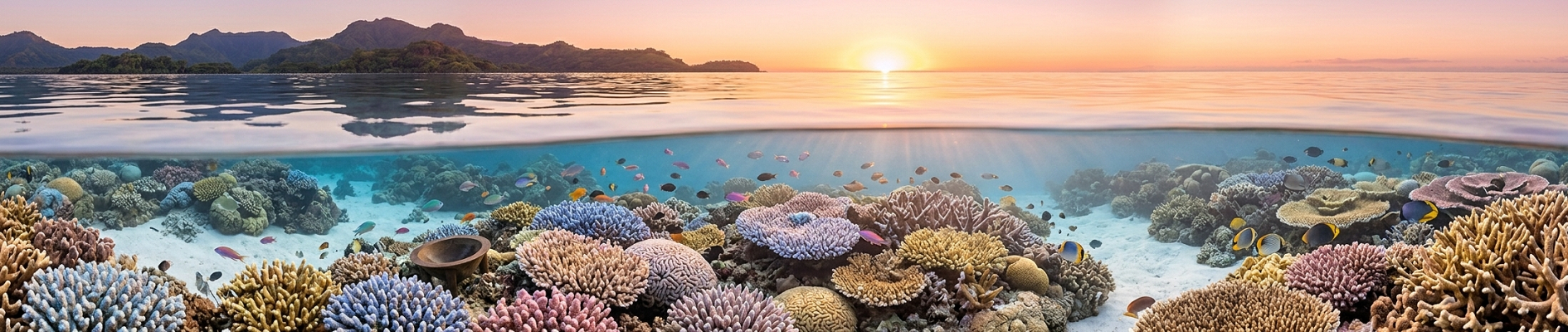

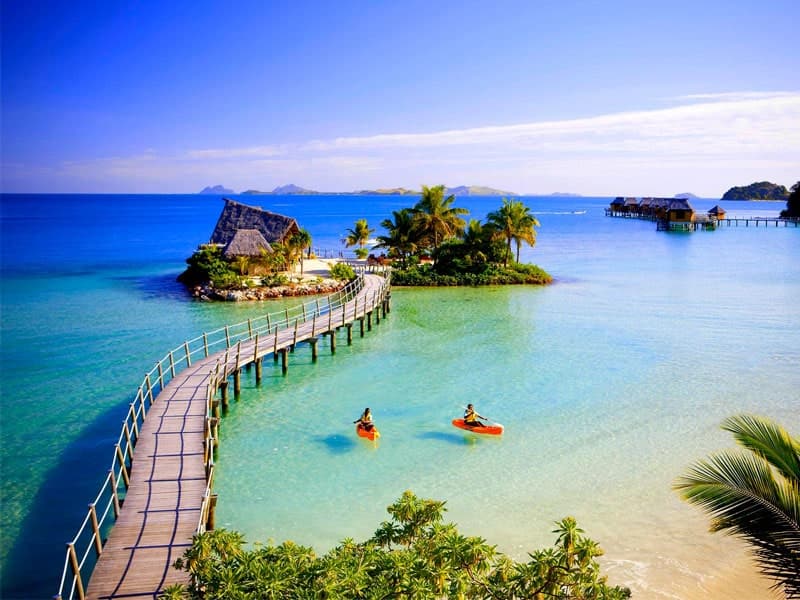
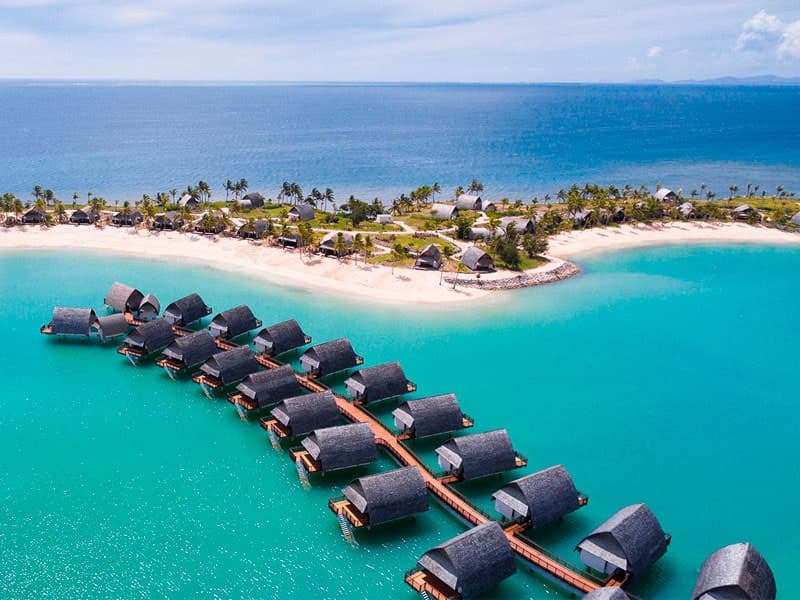
In the heart of the South Pacific, far enough from everything to feel like another world, lies an archipelago of 330 islands that has no real equivalent anywhere on earth. Fiji is often reduced to a postcard of turquoise water and white sand. But that postcard barely scratches the surface of what this place actually is.
Fiji is layered. It is ancient Melanesian culture alongside Indian spice markets, coral reefs beside highland waterfalls, village ceremonies and barefoot luxury, side by side. It is a country where the word bula, the Fijian greeting meaning life, health, and happiness, is not a performance for tourists. It is simply how people live here.
The Islands & Their Character
Fiji's geography is its first gift. The archipelago spreads across more than 1.3 million square kilometres of ocean, though most of the inhabited land clusters around two main islands: Viti Levu and Vanua Levu. The largest island, Viti Levu, is home to the capital Suva and the international gateway of Nadi, with a dramatic interior of highlands and sugarcane plains that most visitors never see. Vanua Levu to the north offers a quieter, less-visited Fiji, its main town of Savusavu earning a reputation as one of the Pacific's most charming small ports. Beyond these, the Yasawa and Mamanuca island chains, the remote Lau Group, and over three hundred smaller islands each carry their own world.
Top Places to Visit in Fiji
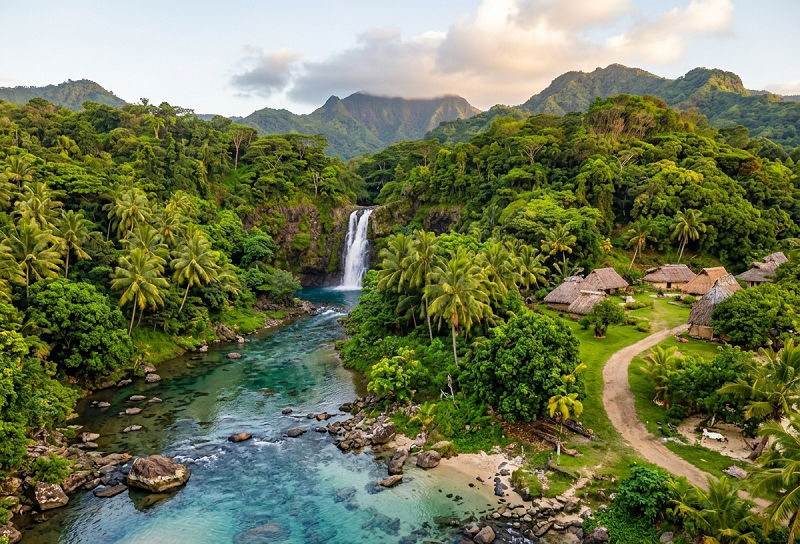
From world-class reef diving in the Somosomo Strait to highland waterfalls in the Bouma National Heritage Park, from Suva's colonial-era market halls to village kava ceremonies in the outer islands, Fiji rewards every kind of traveller. To explore its highlights in detail, visit the Sights of Fiji page.
Culture, History & Identity
Fiji's story is not a simple one. Melanesian Fijians settled these islands over three thousand years ago. British colonial rule from 1874 to 1970, and the arrival of indentured Indian labourers brought to work the sugarcane fields in the late nineteenth century, shaped a nation of genuine complexity. Today, indigenous iTaukei Fijians and Indo-Fijians live alongside Rotuman, Chinese, and Pacific Islander communities, producing a culture of extraordinary richness.
The sevusevu, a ceremony in which a visitor presents kava root to a village chief as an offering of respect, remains one of the most meaningful cultural exchanges available to a traveller in Fiji. Meke, the traditional performance combining dance, song, and storytelling, narrates ancestral history through movement. Kava itself, the mildly sedating drink served in a shared coconut shell bowl, is the social glue of Fijian life, offered at weddings, funerals, and welcomes alike.
Fijian Gastronomy
Fiji's food reflects its history with directness and honesty. The indigenous kitchen is built around taro, cassava, and yams, cooked in coconut cream or baked in the lovo, the traditional underground earth oven. Kokoda, fresh raw fish marinated in citrus and mixed with coconut cream and chilli, is quietly one of the finest things the Pacific produces. Palusami wraps taro leaves around coconut cream and bakes them until they become something close to perfect.
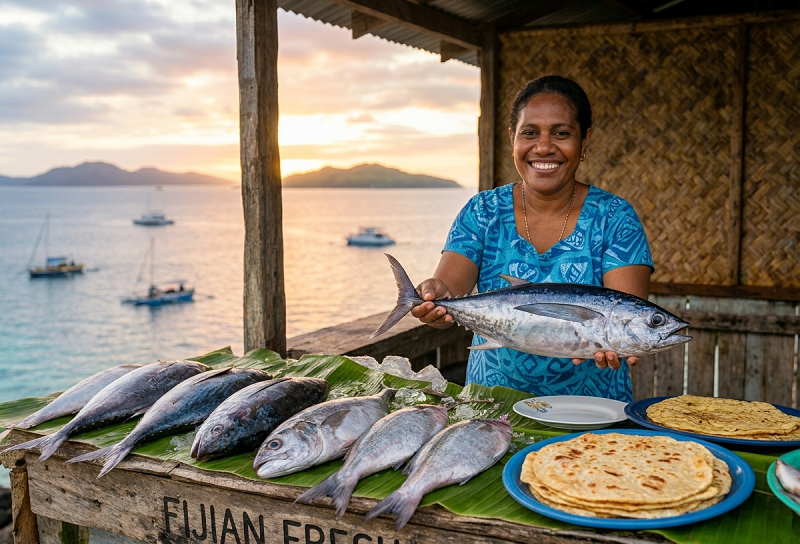
The Indo-Fijian contribution is equally significant. Fiji's roti, softer and larger than its South Asian origins, served with curried chickpeas or fish at roadside stalls from early morning, has evolved into something entirely its own. The greatest meals in Fiji, however, tend to happen at long communal tables in village halls, with food pulled from the lovo at dusk.
Public Holidays & Celebrations
Fiji's calendar reflects its multicultural identity. Fiji Day on October 10 celebrates independence from Britain in 1970. Diwali and Eid al-Adha are both official public holidays, reflecting the Hindu and Muslim communities within the national fabric. The Hibiscus Festival in Suva each August, the Bula Festival in Nadi, and the Sugar Festival in Lautoka offer vivid experiences of Fijian communal life that no resort itinerary can replicate.
Best Time to Visit
The dry season from May through October brings clear skies and the best conditions for diving and exploration. The wet season from November through April offers a greener, quieter Fiji at lower prices, though cyclones are possible between December and March. The ocean, between 24 and 29 degrees Celsius year-round, is always inviting.
In Magelline's view, Fiji is a destination that asks a small thing of the traveller: the willingness to look beyond the postcard version of itself. Those who accept a kava cup in a village, who take the boat to an outer island, who eat roti from a roadside stall at seven in the morning, find something rarer than a beautiful beach. They find a country that is genuinely, unhurriedly itself. And that is why it stays with you.