 Armenian
 German
 Spanish
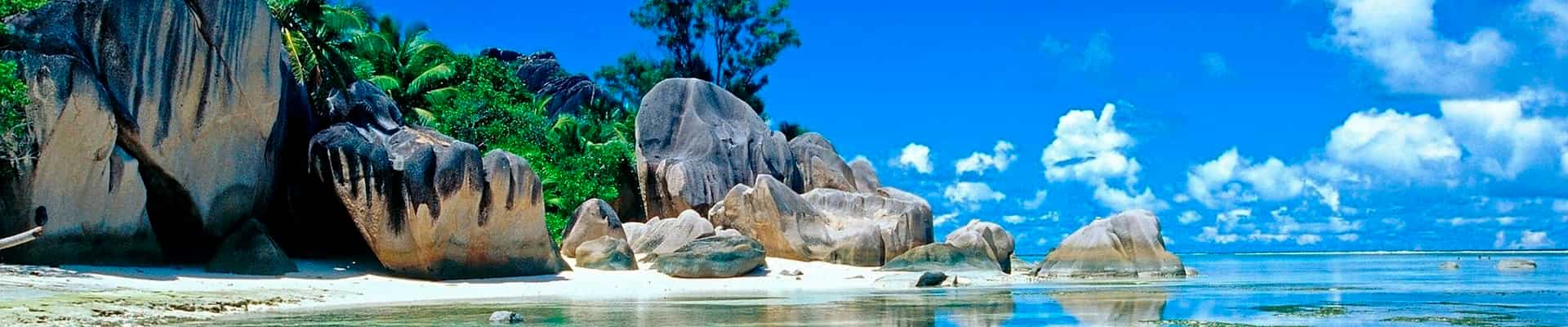

The sun has barely set over the sea when the music starts somewhere down the road. A bass line drifts between the palms, smoke rises from a jerk pan, and someone laughs loud enough for the whole street to hear. This is Jamaica. Within a day, the island has a way of tuning your heartbeat to its own rhythm.
Jamaica lies in the Caribbean Sea, about 145 kilometres south of Cuba and west of Hispaniola. It is the third largest island in the Caribbean and home to around 2.8 million people. The Taíno called it Xaymaca, the land of wood and water, and the name still fits. Mountains cover much of the interior, rivers run down to the coast, and the shoreline holds coral reefs, quiet coves and long white beaches. The climate is warm all year. From December to April the days are drier and sunnier, while June to November brings the rainy and hurricane season.
Language
English is the official language, so travelers rarely struggle to be understood. Listen to everyday conversation, though, and you will hear Jamaican Patois, a lively creole shaped by English and West African languages. It is fast, musical and full of humour. Say "wah gwaan" and you are asking how things are going. Hear "irie" and you know all is good. A simple "respect" goes a long way here.
Cities
Kingston, the capital, is the creative heart of the country, a city of recording studios, galleries, street murals and late nights. Montego Bay is where most visitors first land, a lively resort town with busy beaches and a big welcome. On the north coast, Ocho Rios sits among rivers and waterfalls. In the far west, Negril lives at an easy pace and saves its energy for the sunset. In the northeast, Port Antonio feels green, quiet and a little old fashioned in the best way. On the south coast, Treasure Beach shows the island's rural soul, with fishing boats on the sand and guesthouses run by local families.
To explore Jamaica's most celebrated landmarks in detail, visit the Jamaica sights page.
Culture & History
Jamaica's story is told in layers. The Taíno lived here first. Columbus arrived in 1494, Spain held the island for over a century, and in 1655 the English took control. Sugar plantations brought great wealth to a few and great suffering to hundreds of thousands of enslaved Africans. Yet resistance never stopped. In the mountains, the Maroons built free communities, and their leader Nanny of the Maroons is today a national hero. Slavery ended in 1838, and independence came on the sixth of August, 1962.
From this history grew a culture the whole world knows. Ska, rocksteady, reggae and dancehall were all born on this island, and in 2018 UNESCO added reggae to its list of intangible cultural heritage. The Rastafari movement, the speed of Jamaican sprinters and the national motto "Out of Many, One People" all speak of a small nation with a very large voice.
People
Jamaicans are warm, direct and proud of their island. Conversation comes easily, often with a joke attached. Time moves differently here, and "soon come" can mean five minutes or an hour. Accept it with a smile. Show respect, ask before you photograph someone, and you will often be welcomed like an old friend.
Cuisine
Jamaican food is bold and full of flavour. The national dish is ackee and saltfish, best eaten for breakfast with fried dumplings or boiled green bananas. Jerk chicken and pork are marinated with Scotch bonnet peppers and allspice, then slowly cooked over pimento wood. Boston Bay near Port Antonio claims to be the birthplace of jerk. Golden patties make a quick lunch, curry goat appears at every celebration, and the Ital cooking of the Rastafari offers simple vegetarian meals close to nature. Blue Mountain coffee starts the morning, and Jamaican rum closes the evening.
Public Holidays & Festivals
The first week of August is the most meaningful time of the year. Emancipation Day on the first of August and Independence Day on the sixth fill the island with music, flags and street parties. In July, Reggae Sumfest in Montego Bay brings the biggest names of Jamaican music to the stage. Around Easter, Jamaica Carnival fills Kingston with colour and soca rhythms. At Christmas, the old tradition of Jonkonnu returns, with masked dancers parading through the towns.
Travel Tips
The best time to visit is from December to April, when the weather is dry and pleasant. May and November are quieter and often cheaper. The local currency is the Jamaican dollar, though US dollars are widely accepted in tourist areas. Traffic drives on the left, and mountain roads are narrow and winding, so allow extra time. Use licensed taxis or drivers recommended by your hotel. Many restaurants add a service charge; where they do not, ten to fifteen per cent is usual. And leave the resort for at least a few days, because the real Jamaica is waiting outside its gates.
In Magelline's view, Jamaica is an island that speaks through rhythm. You hear it in the music, taste it in the jerk smoke and feel it in the slow pace of a long afternoon. Come with an open heart. Jamaica will give you a reason to sing along.



