 Armenian
 German
 Spanish
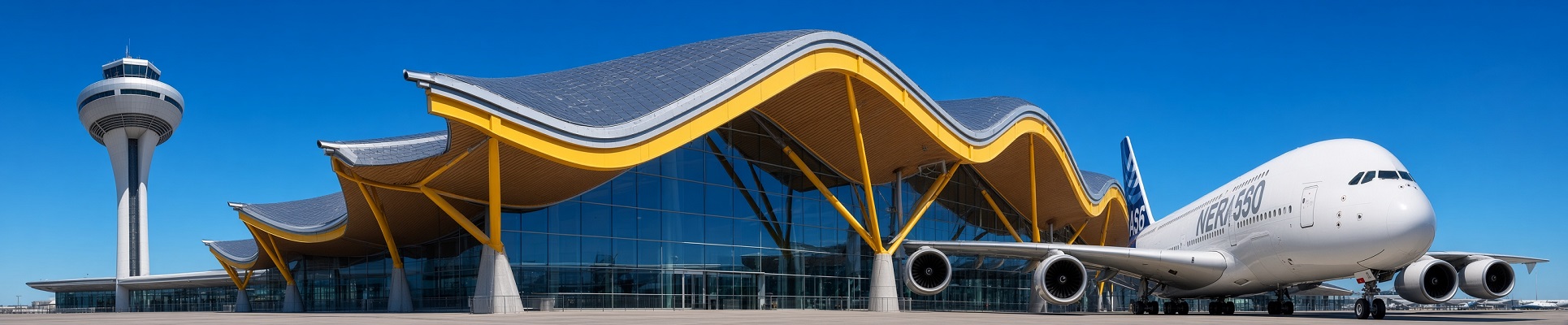
Spain stands as one of the most dynamic aviation hubs in Europe, perfectly positioned as a natural bridge connecting Europe, Latin America, North Africa, and the Middle East. Under the unified management of Aena, Spain's modern airport system is designed for high-volume efficiency, seamless passenger flow, and premier passenger comfort.
A hallmark of Spanish aviation is its integration with ground transport. High-speed AVE rail lines, extensive metro networks, and modern expressways directly connect major passenger terminals to vibrant city centres, coastal resorts, and regional capitals. Whether travelling for leisure across the Mediterranean or connecting through intercontinental transit hubs, visitors benefit from state-of-the-art facilities, automated border control systems, and expanded runway capacity.
Key Aviation Gateways
Spain's network of airports spans major metropolitan centres, popular holiday islands, and historic regional hubs:
- Adolfo Suárez Madrid Barajas (MAD): The primary intercontinental gateway of Spain and a crucial global bridge to Latin America, renowned for its architectural beauty in Terminal 4 and high-speed connections.
- Barcelona El Prat Josep Tarradellas (BCN): Catalonia's main air hub, offering extensive European short-haul networks along with expanding direct long-haul routes.
- Palma de Mallorca (PMI): One of Europe's busiest seasonal airports, handling millions of sun-seeking travellers visiting the Balearic Islands.
- Málaga Costa Del Sol (AGP): The chief entry point for southern Spain, serving the popular Andalusian coastline with excellent highway and rail access.
- Alicante Elche Miguel Hernández (ALC): A vital southeastern coastal terminal providing effortless access to the white sand beaches of the Costa Blanca.
- Gran Canaria Airport (LPA): A central transatlantic and regional hub serving the Canary Islands with heavy year-round passenger traffic.
- Tenerife South (TFS): The primary international flight hub for Tenerife, focused on long-distance holiday and leisure traffic.
- Valencia (VLC): An efficient, modern East Coast airport linking travelers directly to Spain's third largest city via fast metro services.
- Sevilla (SVQ): A charming gateway to southwestern Spain, blending traditional Andalusian architecture with contemporary terminal facilities.
- Ibiza (IBZ): A world-famous Balearic airport experiencing high summer traffic, optimised for seasonal leisure flights and private aviation.
Traveler Tips
To ensure a smooth journey through Spain's busy terminals, travelers should plan to arrive two hours before domestic or short-haul European flights, and three hours before intercontinental departures. Peak travel periods during July, August, and major holiday weeks require extra time for security screening and immigration control.
Most primary gateways feature Schengen and non-Schengen split zones, family lanes, priority security access, and fast automated passport kiosks for eligible passengers. VIP lounges, global dining options, and duty-free shopping areas are widespread across every main terminal.
In Magelline's view, Spain's aviation network perfectly balances high-volume operational excellence with the welcoming warmth of Mediterranean hospitality. By continuously investing in sustainable infrastructure, digital processing, and direct rail intermodality, Spanish airports transform travel functional necessities into an enjoyable part of the journey itself.