 Armenian
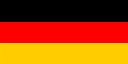 German
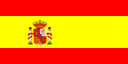 Spanish
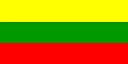
There is a moment, somewhere between the amber light of a late afternoon and the first cool breath of evening, when Lithuania reveals itself to you. Perhaps you are standing in a pine forest that smells of resin and rain. Perhaps you are crossing a cobbled square in Vilnius as church bells scatter pigeons into a pale sky. Wherever it happens, you will understand that this is not a country that announces itself. It waits for you to arrive, and then it opens slowly, like a door into an older world.
Lithuania is the southernmost of the three Baltic states, and in many ways the most enigmatic. It was once the largest country in Europe, a grand duchy whose borders stretched from the Baltic Sea to the Black Sea. That history has not vanished. You feel it in the baroque towers of the capital, in the quiet pride of the people, in a language so ancient that linguists travel here simply to listen to it spoken in the street.
Landscape
Step outside the cities and Lithuania becomes a country of deep green silence. Nearly a third of the land is covered in forest, and the forests here are not decorative. They are living places, thick with mushrooms in autumn, laced with wild berries in summer, crossed by deer and the occasional elk. Lakes appear without warning, thousands of them, still and dark and fringed with reeds. In the east, the lake district around Aukštaitija feels almost untouched, a landscape of wooden villages and water that mirrors the sky so perfectly you lose track of which is which.
Then there is the coast. The Curonian Spit, a slender ribbon of sand dunes and pine, curves into the Baltic like a brushstroke. Fishing villages with weathered wooden houses sit beneath dunes that shift and whisper in the wind. It is one of the most singular landscapes in Europe, and it belongs half to legend.
Cities
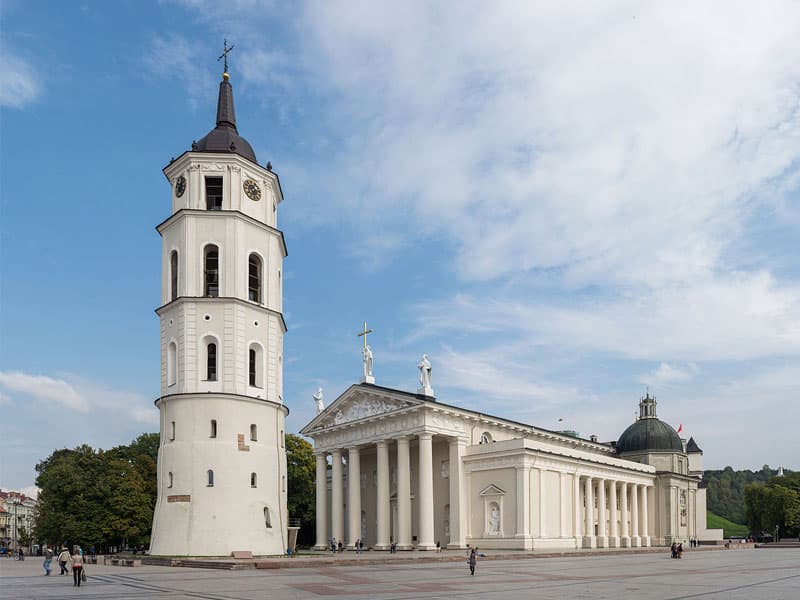
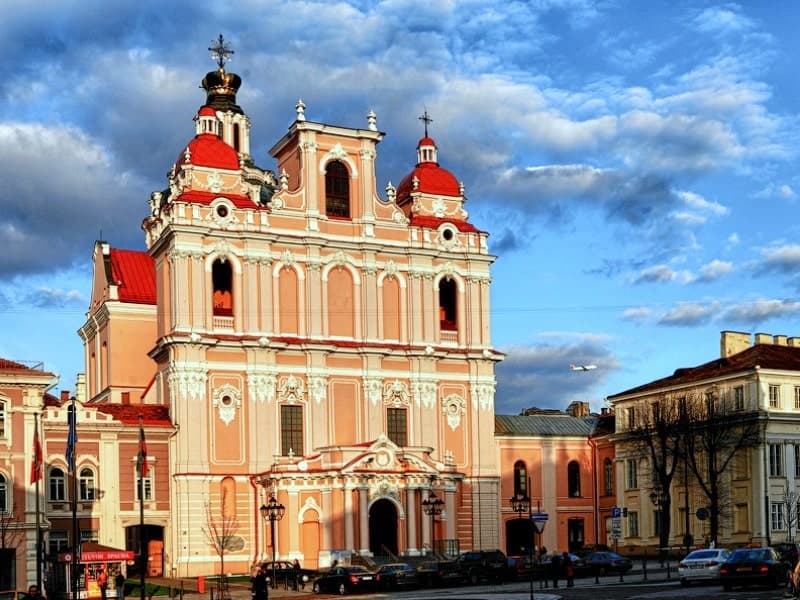
Vilnius is the heart of the country, and it beats slowly, deliberately. Its Old Town is a labyrinth of narrow lanes, hidden courtyards and baroque churches the colour of cream and honey. Artists have claimed entire districts as their own. Cafés spill onto the pavement the moment spring arrives. Kaunas, the second city, carries a different energy, with its modernist architecture and a creative confidence that has grown louder in recent years. Klaipėda, on the coast, is the gateway to the sea, a port city with a Germanic past and salt in its air.
Each of these cities rewards unhurried exploration, and the landmarks that define them deserve their own telling. You will find them gathered in our companion guide to the sights of Lithuania.
Culture
Lithuanians hold on to things. To their language, one of the oldest living tongues in Europe. To their songs, performed by the tens of thousands at festivals that feel closer to ritual than concert. To their pagan past, which never fully disappeared and still flickers in midsummer bonfires and carved wooden crosses standing at rural crossroads. Even the food carries memory: cold pink beetroot soup in summer, hearty potato dishes in winter, dark bread that tastes of the fields it came from.
This is also a country that knows the price of freedom. The struggle for independence is written into its museums, its memorials and its collective character. Travellers who take the time to understand this history find that Lithuania becomes far more than a pretty destination. It becomes a story you carry home.
When to Come
Summer is generous here. Long northern days stretch past ten in the evening, the lakes warm enough for swimming, the coast alive with festivals. Autumn turns the forests to copper and gold and fills the markets with mushrooms. Winter is quiet and white, a season for candlelit cafés and snow dusted church spires. Spring arrives shyly, then all at once, and the whole country seems to exhale.
Magelline Perspective
Lithuania asks something of you. It asks for patience, for curiosity, for a willingness to walk slowly and look closely. In return it offers what so many destinations have lost: a sense of discovery that feels genuinely your own. You will not fight crowds here. You will not queue for a view. You will simply find yourself, one amber evening, standing somewhere beautiful and quiet, wondering why more people do not know about this place, and feeling quietly glad that they do not.