 Armenian
 German
 Spanish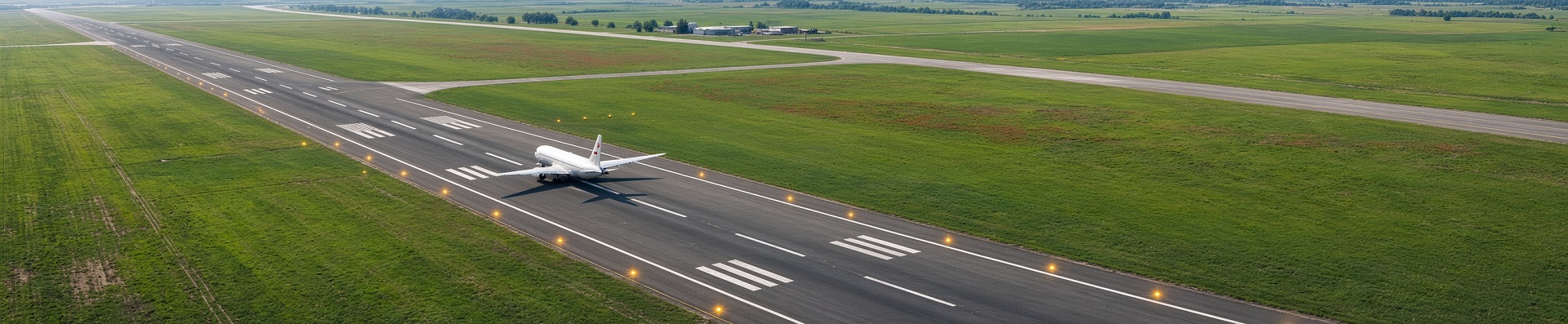
Serbia sits on the Danube after the river leaves the Hungarian plain, hits Belgrade at the Sava, then turns east for the Iron Gates and, much later, the Black Sea. Vienna is northwest. Istanbul is southeast. That stretch of map is why armies, traders, and everyone else kept ending up here.
The airports are how most people arrive now. Two of them handle almost all of that traffic.
Belgrade Nikola Tesla Airport (BEG)
Belgrade starts where the two rivers meet. The city has been wrecked and put back together so many times the scars are just part of the street plan. The airport is about 18 km west of the centre, at Sur?in. It is the big one: Air Serbia's hub, most of the international flights, some long haul. You land in a normal modern terminal and then the city takes over. Mosques and churches in the same walk, barges on the water, new glass on the skyline, cafes that stay open because people actually use them.
Niš Constantine the Great Airport (INI)
Niš is south. It is not on the Danube; it sits on the Nišava. Older town, heavier stone, a different pace. Constantine the Great was born here, in Roman Naissus, which is why the airport has his name. INI is a few kilometres from the centre and much smaller than Belgrade, with a short list of European routes. It is the door to the south: valleys, fortress towns, the part of the country that does not perform for you.
There is a third scheduled airport, Morava (KVO) near Kraljevo. Tiny. For most people the choice is still Belgrade or Niš.
Magelline Perspective
BEG drops you into the capital. INI drops you into the older south. That is the whole split. North is Central Europe. South leans toward the Aegean. East follows the river. West is mountains and, eventually, the Adriatic. You leave the terminal and the walls and the new buildings are already in the same frame.
The runway is where your Serbia begins.
