 Armenian
 German
 Spanish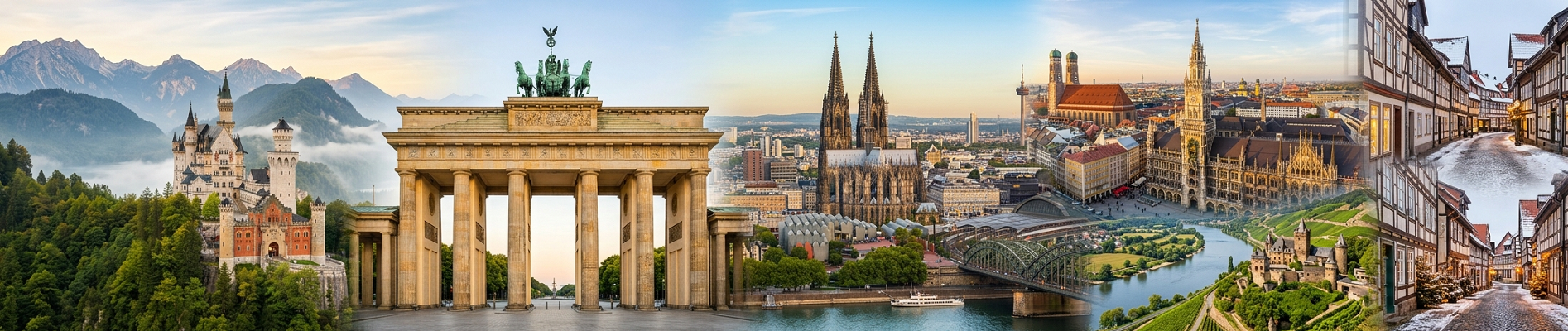
Germany is a country of extraordinary contrasts: medieval castles perched above misty valleys, futuristic skylines, dense fairy-tale forests, and villages that seem untouched by time. Whether you're chasing the postcard classics or hunting for off-the-beaten-path wonders, Germany rewards every kind of traveller.
Must-See Landmarks
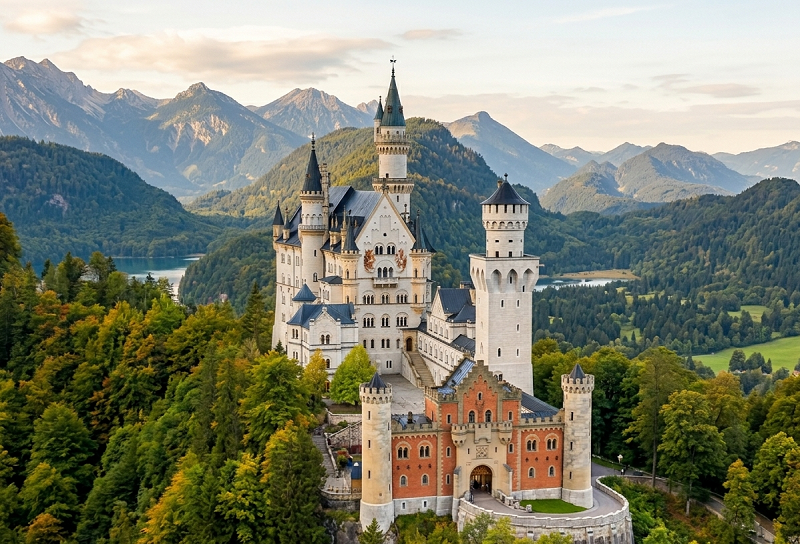
Neuschwanstein Castle (Bavaria)
Arguably the most recognisable castle in the world, Neuschwanstein rises dramatically from the Bavarian Alps near Füssen. Built in the 19th century for the eccentric King Ludwig II, it served as the inspiration for Disney's Sleeping Beauty castle. Visit early in the morning to catch it shrouded in mist; the crowds are thinner, and the atmosphere is magical.
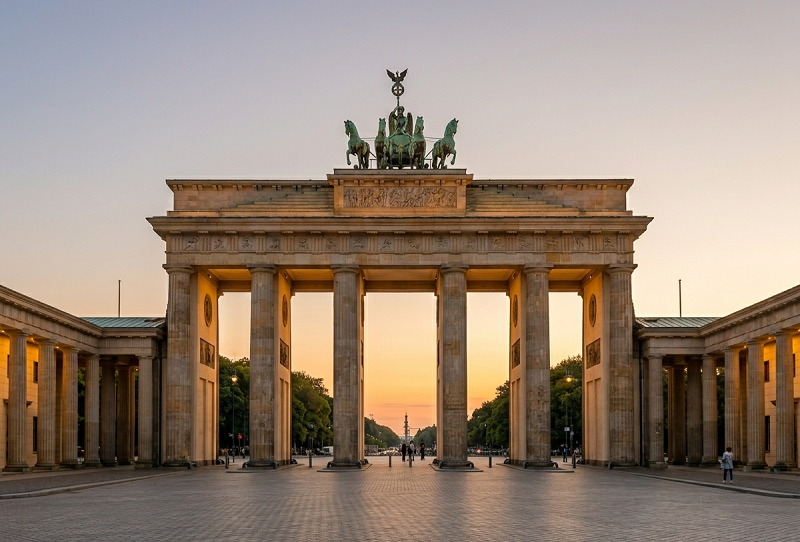
Brandenburg Gate in Berlin
Standing at the heart of the reunified capital, the Brandenburg Gate is Germany's most powerful symbol. Once dividing East and West, it now anchors the vibrant Pariser Platz. Stroll west along the Tiergarten or east along Unter den Linden, where history unfolds in every direction.
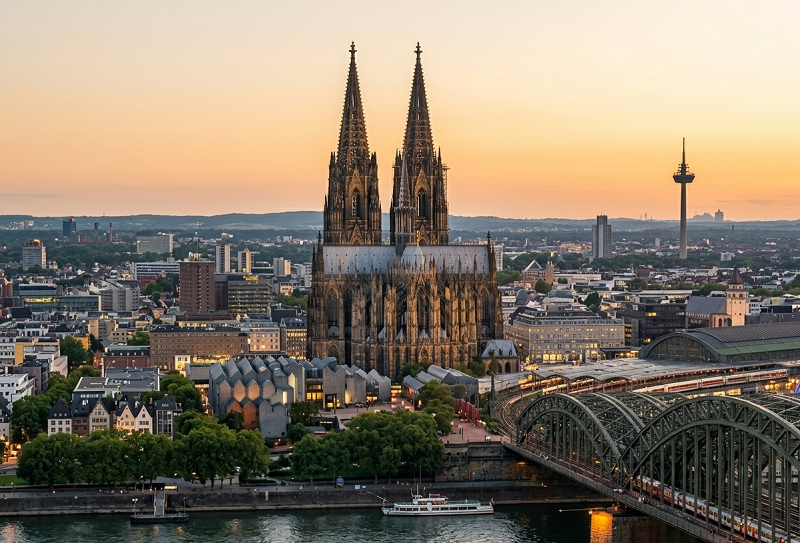
Cologne Cathedral (Kölner Dom)
This Gothic masterpiece took over 600 years to complete and, for a brief period in 1880, was the tallest structure in the world. Climb the south tower's 533 steps for a breathtaking panorama over Cologne and the Rhine. Inside, the medieval Shrine of the Three Kings is considered one of the finest pieces of goldsmith work in the Western world.
Marienplatz (Munich)
The beating heart of Munich, Marienplatz is framed by the Neo-Gothic Neues Rathaus, whose famous Glockenspiel chimes daily at 11 am and noon. The square buzzes year-round, but it reaches its peak during the Christmas market season, when mulled wine stalls fill the air with the scent of cinnamon and cloves.
Rhine Valley
Stretching from Bingen to Koblenz, the Middle Rhine Valley is a UNESCO World Heritage Site. Vineyard-covered hillsides tumble down to the river, dotted with fortresses and charming wine villages like Bacharach and Rüdesheim. A river cruise here is one of Germany's great slow-travel pleasures.
Lesser-Known Gems
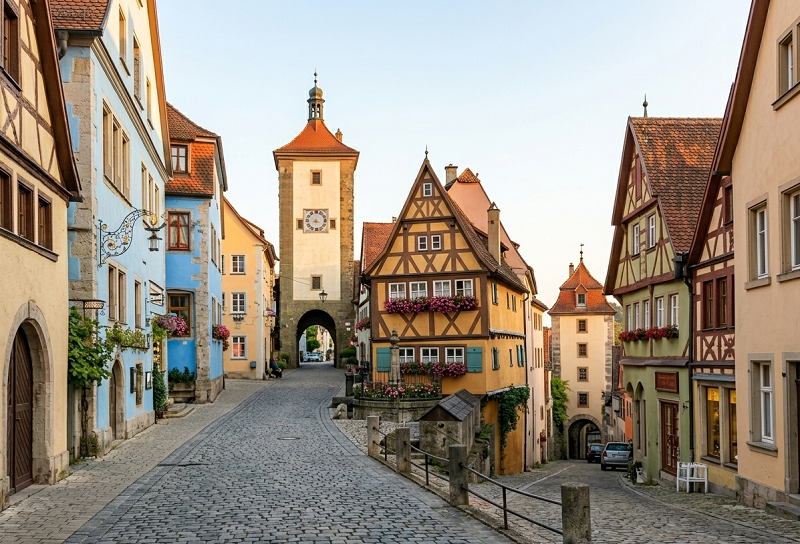
Quedlinburg (Saxony-Anhalt)
Tucked in the foothills of the Harz Mountains, Quedlinburg is a perfectly preserved medieval town that many tourists simply miss. Over 1,300 half-timbered houses line its cobblestone streets, and the hilltop Collegiate Church of St. Servatius (a UNESCO site) holds the tomb of King Henry I. On a quiet weekday, you might have its atmospheric lanes almost entirely to yourself.
Rügen Island (Mecklenburg-Vorpommern)
Germany's largest island is a world away from the busy southern tourist trails. Rügen's chalk cliffs, immortalised in Caspar David Friedrich's famous paintings, glow white against the Baltic Sea. The island also hides Prora, an eerily vast Nazi-era resort building stretching 4.5 kilometres along the beach, now being gradually converted into apartments and museums.
Maulbronn Monastery (Baden-Württemberg)
One of the best-preserved medieval monastic complexes north of the Alps, Maulbronn sits quietly in a wooded valley between Stuttgart and Karlsruhe. The 12th-century Cistercian monastery was a UNESCO listing well before most people had heard of the place. Johannes Kepler studied here; Hermann Hesse attended school here. It has the unhurried air of a place that knows it doesn't need to advertise itself.
Monschau (North Rhine-Westphalia)
Nestled deep in a narrow valley in the Eifel hills near the Belgian border, Monschau is one of Germany's most picturesque small towns. Its tightly packed half-timbered houses cling to steep hillsides above the River Rur. The town's old mustard mill still grinds away, and the Christmas market here, held in the historic market square, is one of the country's most intimate and charming.
Bamberg (Bavaria)
Often called "Little Venice" for its fishermen's quarter built on islands in the River Regnitz, Bamberg is a UNESCO-listed gem with almost no modern intrusions on its medieval skyline. The town is also famous for its unique smoked beer (Rauchbier), brewed locally for centuries. Visit the extraordinary Romanesque-Gothic cathedral, wander the baroque Bishop's Palace gardens, and end the evening in one of the historic brewery tap rooms.
Practical Travelling Tips
Best time to visit: May - June and September - October offer pleasant weather and smaller crowds. July - August is peak season. December is magical for Christmas markets.
Getting around: Germany's rail network (Deutsche Bahn) is extensive and efficient. The Deutschland-Ticket (a flat monthly pass for regional trains) is an excellent value for slower, scenic travel.
Language: English is widely spoken in cities and tourist areas, but learning a few words of German (Danke, Bitte, Entschuldigung) goes a long way in smaller towns.
Cash: Germany remains more cash-oriented than many European countries. Carry euros, especially in villages and smaller restaurants.
Magelline Perspective
From the thundering drama of its Alpine castles to the quiet, cobblestoned corners of its forgotten medieval towns, Germany offers a depth of experience that reveals itself slowly and rewards those willing to wander just a little off the main path.