 Armenian
 German
 Spanish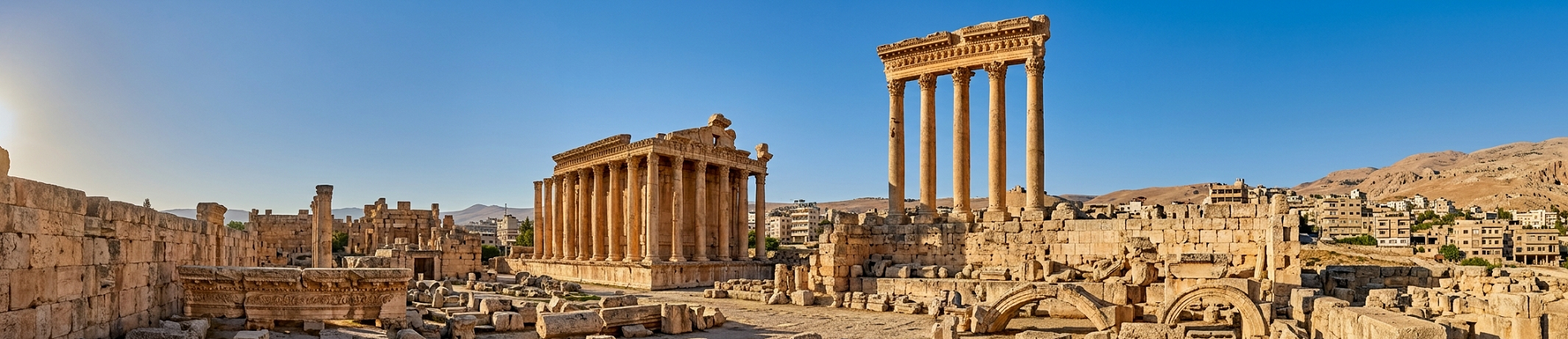
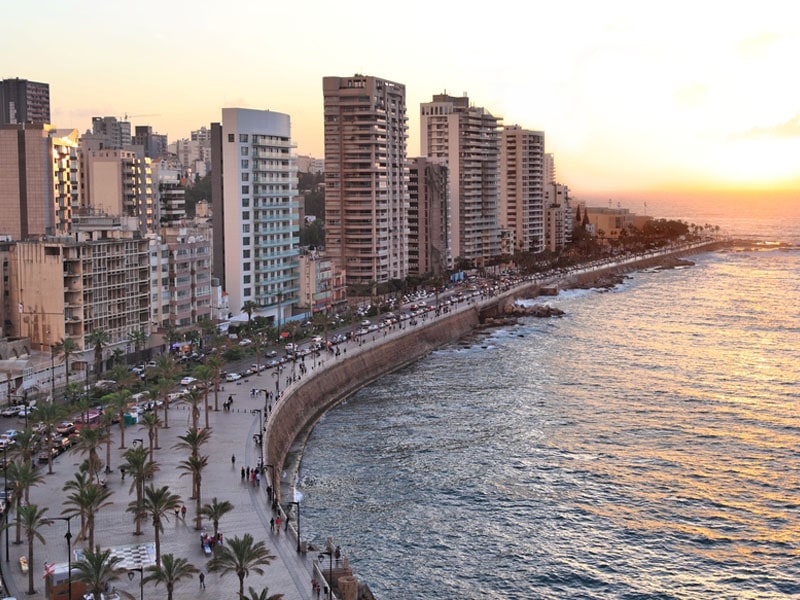
You notice the light first. It comes off the Mediterranean in the early morning, pale and silver, and it climbs the hillsides until the whole coast seems lit from below. Somewhere a shutter opens. Somewhere coffee is boiling with cardamom. Then a call to prayer and a church bell arrive within moments of one another, neither surprised by the other, and you understand that you have come to a country that has spent thousands of years learning to hold contradictions in a single hand.
Lebanon is small. You can drive its length in a few hours and cross from the sea to the eastern valley in less than two. But it is not built outward. It is built in layers, one civilisation resting on the shoulders of the last, and the deeper you go the less small it feels.
Country of Layers
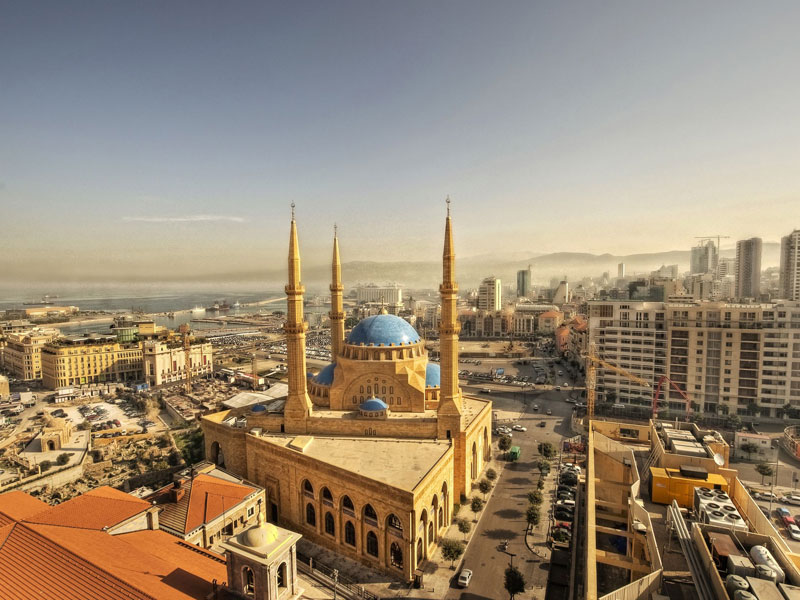
Phoenician traders launched their ships from these harbours. Romans quarried these hills. Crusaders, Ottomans and the French all left something behind, and none of them left cleanly. What remains is not a museum but a working country, where a Roman column may hold up the corner of a café terrace and nobody thinks it worth mentioning.
The twentieth century was hard here, and the twenty first has not been gentle either. Lebanon carries this openly. You see it in unrepaired façades, in generators humming behind restaurants, in conversations that turn to politics and then, just as quickly, to lunch. There is no pretending, and there is instead a stubborn appetite for living that visitors rarely forget.
Landscape
Turn inland and the road climbs almost at once. Terraced slopes give way to pine, then to bare grey rock, then to snow that lingers well into spring. Skiers and swimmers share the same morning here, a fact the Lebanese mention with quiet satisfaction.
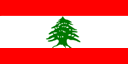
The cedars that gave this country its emblem still stand in high groves, older than most of the nations that have marched through. Standing beneath them is quieter than you expect. Below the ranges lies the Beqaa, a long fertile valley of vineyards and wheat where the August air smells of dust and cut grass. Cross the ridge again and you are back beside the sea within the hour.
Cities
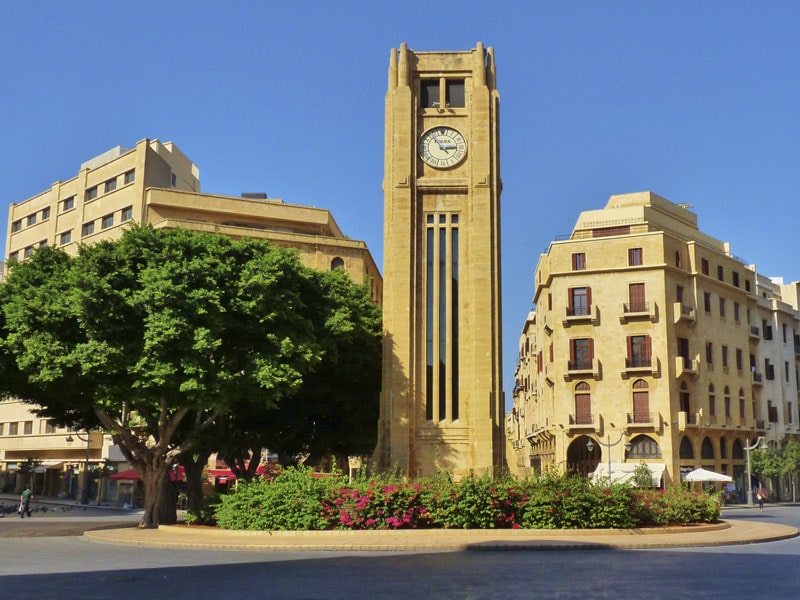
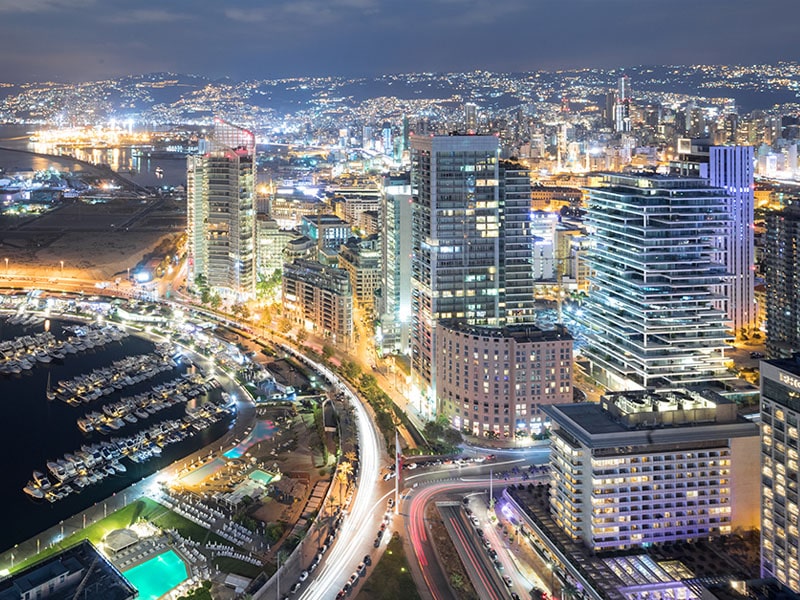
Beirut is the argument the country is having with itself, conducted at volume and with enormous charm. Glass towers stand beside bullet marked stone. Galleries open in old warehouses. A neighbourhood that looked exhausted at noon becomes, by eleven at night, the most alive street you have walked in years.
North lies Tripoli, older and less polished, where the souks smell of soap and roasting coffee and the pace has never been persuaded to hurry. South, the coastal cities keep their harbours and their long memories. Byblos claims to be among the oldest inhabited places on earth, and after an evening in its little port you will not feel like arguing.
For the temples, grottoes, castles and old quarters themselves, see our companion piece on Lebanon Sights and Attractions.
Hospitality
Lebanese hospitality is not a gesture. It is a structure. Mezze arrives in waves and keeps arriving after you have surrendered: hummus smoothed into a shallow bowl, tabbouleh green with parsley rather than grain, warm bread, small plates you did not order and cannot refuse. Meals last hours. Arak clouds in the glass with a splash of water. Somewhere near the end fruit appears, then coffee, then someone suggests a walk.
Wine belongs to this table too. The Beqaa has been making it since antiquity, and its estates produce reds of real seriousness.
Seasons
Spring is the country at its best, hillsides wild with poppies, the coast warm and the mountains still white. Autumn is long and golden, ideal for the valleys and the vineyards. Summer belongs to the sea and to the high villages where families escape the heat. Winter brings snow above, rain below, and the particular pleasure of a full table indoors.
Before You Go
Lebanon rewards travellers who pay attention to the present as well as the past. Conditions across the region can shift quickly, so check current government advisories and flight status before committing to dates. Language is rarely a barrier. Arabic, French and English move through the same sentence without ceremony.
Magelline Perspective
There is no other version of Lebanon that arranges itself neatly for a visitor, and that refusal is precisely what makes it unforgettable. You come for cedars and Roman stone and you leave thinking about a table, a conversation, the way the light fell on the water while somebody insisted you eat one more thing. Small countries can be enormous. This one is.