 Armenian
 German
 Spanish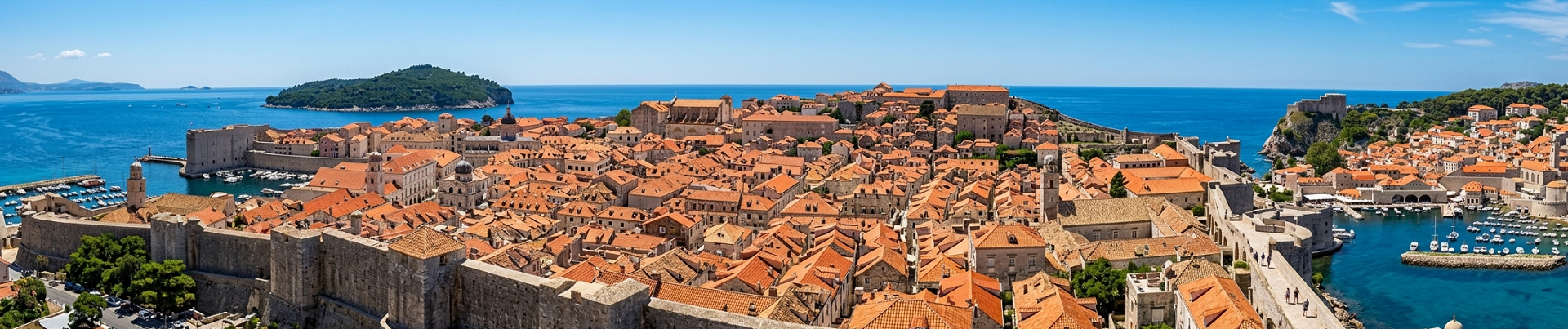
Croatia lies along the eastern shores of the Adriatic Sea, where mountains descend toward a coastline scattered with hundreds of islands. Over centuries, this landscape has shaped a culture that blends Mediterranean warmth with Central European heritage.
For travelers, Croatia offers an unusual balance: historic stone cities that appear almost untouched by time, clear blue waters stretching between islands, and natural parks where rivers carve paths through forests and limestone cliffs.
Trade routes, empires, and maritime traditions have all left their mark here. Venetian architecture lines coastal towns, Roman ruins remain at the centre of modern cities, and medieval walls still guard ancient harbours.
Despite its relatively small size, Croatia presents a remarkable variety. Within a few hours of travel, visitors can move from island villages to alpine valleys, from lively seaside promenades to quiet inland landscapes.
The Adriatic Coast
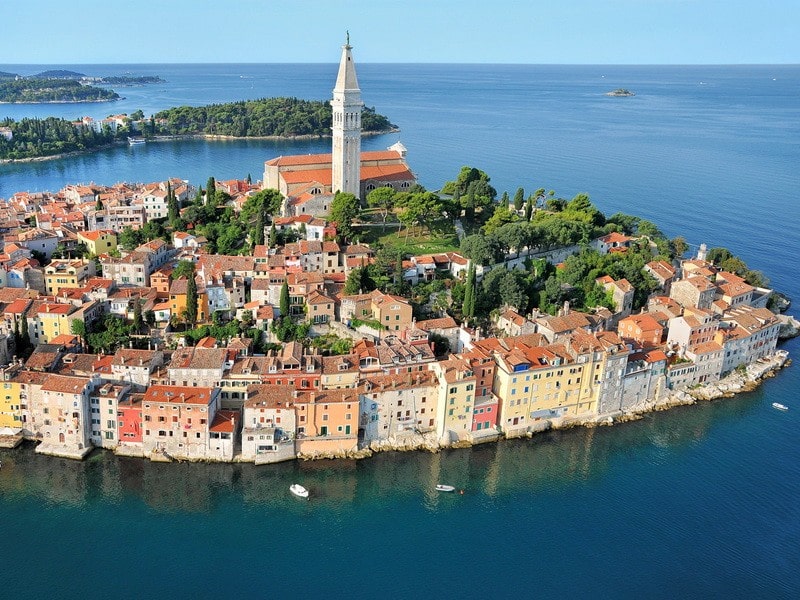
Croatia’s coastline is one of the most distinctive in Europe. Stretching for more than a thousand kilometres, it forms a mosaic of bays, islands, and historic ports. Along this coast lies the region of Dalmatia, where white stone houses and red roofs face the open sea. Fishing villages and historic towns grew here over centuries as maritime trade connected the Adriatic with Venice, the Mediterranean, and beyond.
Today, the coast remains the heart of Croatian tourism. Visitors arrive not only for the beaches but also for the atmosphere of towns where narrow streets, harbour cafés, and old fortifications create a timeless maritime setting.
Islands of the Adriatic
More than a thousand islands are scattered along the Croatian coast, though only a fraction are permanently inhabited. Each island has its own character. Some are lively summer destinations filled with sailing boats and cafés, while others remain quiet landscapes of olive groves, vineyards, and fishing harbours.
Islands such as Hvar, Brač, Korčula, and Vis are among the best known, offering a blend of historic towns and beautiful coastal scenery.
Traveling between islands often becomes one of the most memorable parts of visiting Croatia, as ferries and boats reveal the ever-changing colours of the Adriatic.
Cities Shaped by History
Croatian cities reflect the influence of many civilisations.
The coastal city of Split grew around the remains of a Roman imperial palace built by Emperor Diocletian in the 4th century. Over time, the palace transformed into a living city, with homes, shops, and cafés filling its ancient walls.
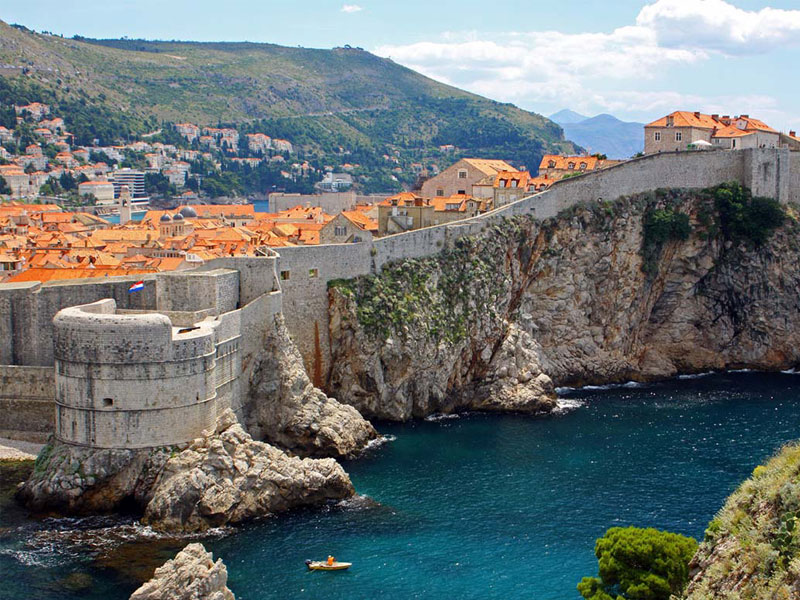
Further south, Dubrovnik developed as a powerful maritime republic whose fortified walls protected one of the Adriatic’s most prosperous ports.
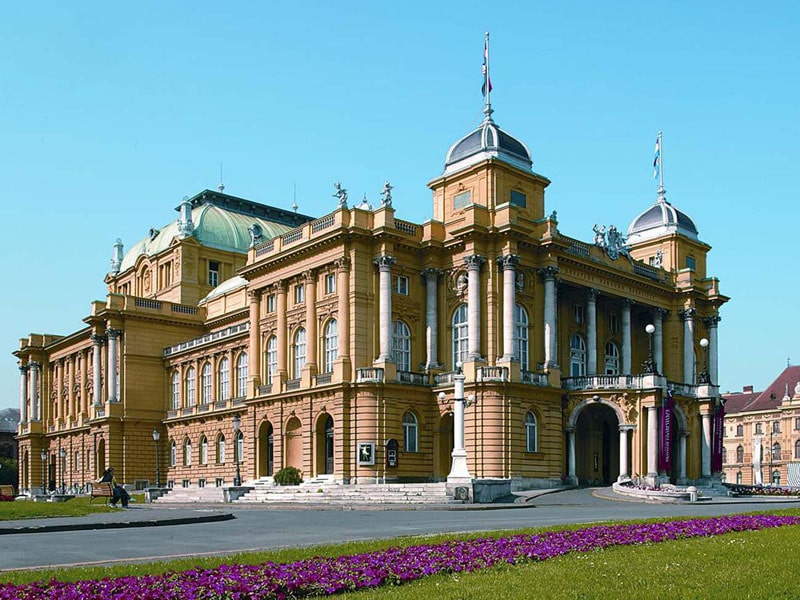
Inland, the capital Zagreb offers a different atmosphere, with Austro-Hungarian architecture, broad boulevards, and a lively cultural scene.
Together, these cities reveal the layered history that has shaped modern Croatia.
Landscapes and National Parks
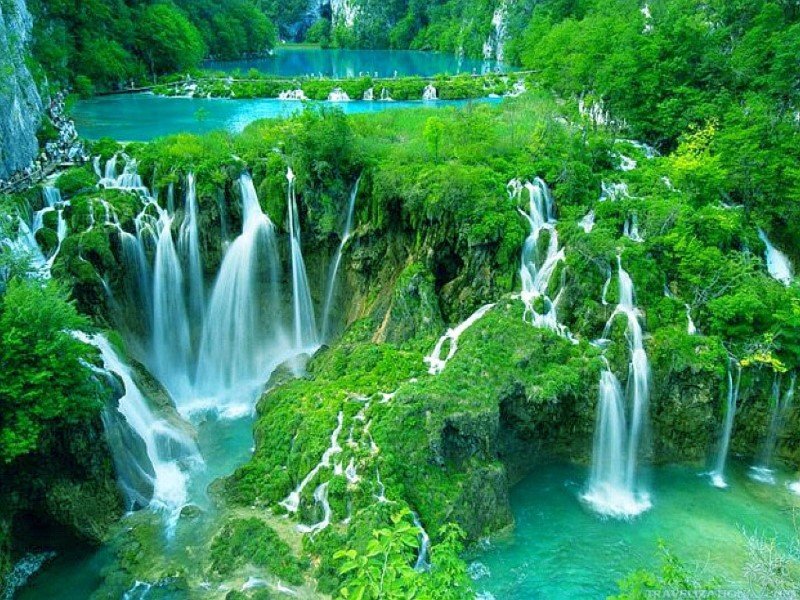
Beyond the coast, Croatia’s natural landscapes are equally remarkable. National parks protect waterfalls, rivers, and forests where wildlife and dramatic geology shape the scenery. Limestone terrain has created lakes, caves, and waterfalls that are among the most distinctive natural sights in the region.
The most famous example is Plitvice Lakes National Park, where a chain of turquoise lakes flows through cascading waterfalls surrounded by dense forest.
These landscapes provide a peaceful contrast to the lively coastal towns and beaches.
Culture and Daily Life
Croatian culture reflects both Mediterranean and Central European traditions.
Cuisine varies by region: seafood dominates along the coast, while inland areas feature hearty dishes influenced by Central European cooking.
Music, festivals, and local traditions remain an important part of everyday life. Summer cultural festivals often take place in historic squares, castles, and ancient amphitheatres.
Throughout the country, visitors often notice a relaxed rhythm of life shaped by the sea, the climate, and centuries of coastal tradition.
Why Travel to Croatia?
Croatia offers travelers a rare combination of historic cities, island landscapes, and natural beauty. It is a destination where visitors can walk through Roman ruins in the morning, swim in clear Adriatic waters in the afternoon, and dine in medieval streets in the evening.
For many travelers, Croatia reveals a Mediterranean world that feels both vibrant and authentic.
Magelline Perspective
In Magelline’s view, Croatia is a country where geography and history have shaped a distinctive coastal culture. Its stone towns, island horizons, and clear Adriatic waters create a landscape that feels both historic and alive.
Traveling through Croatia often feels less like moving between destinations and more like following a coastline where every harbour reveals another story.