 Armenian
 German
 Spanish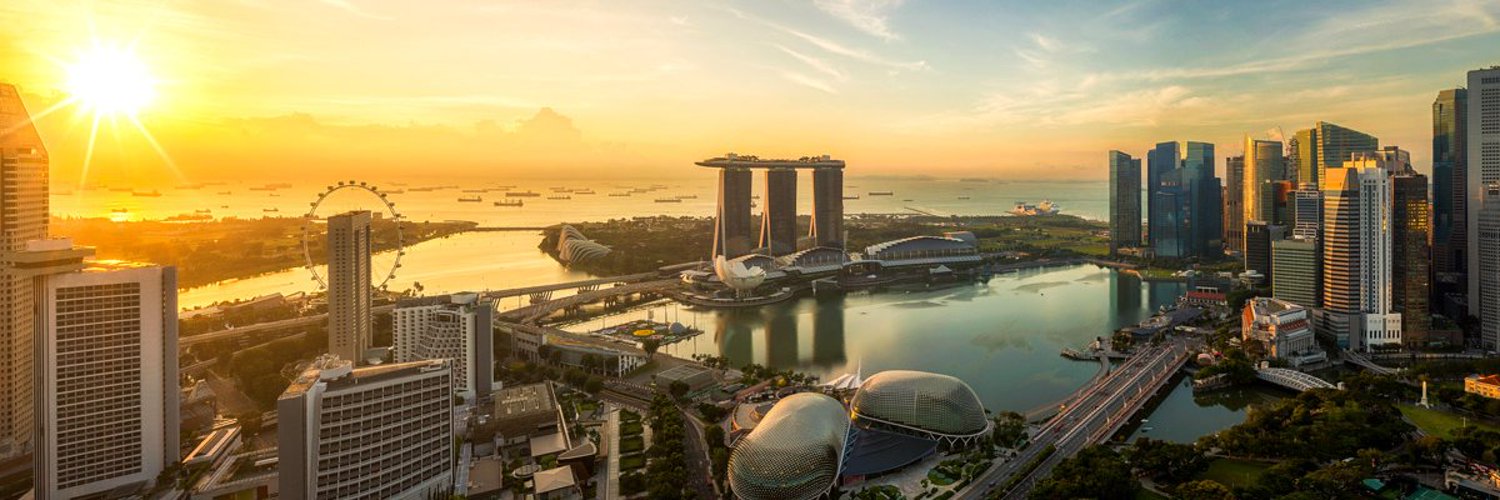

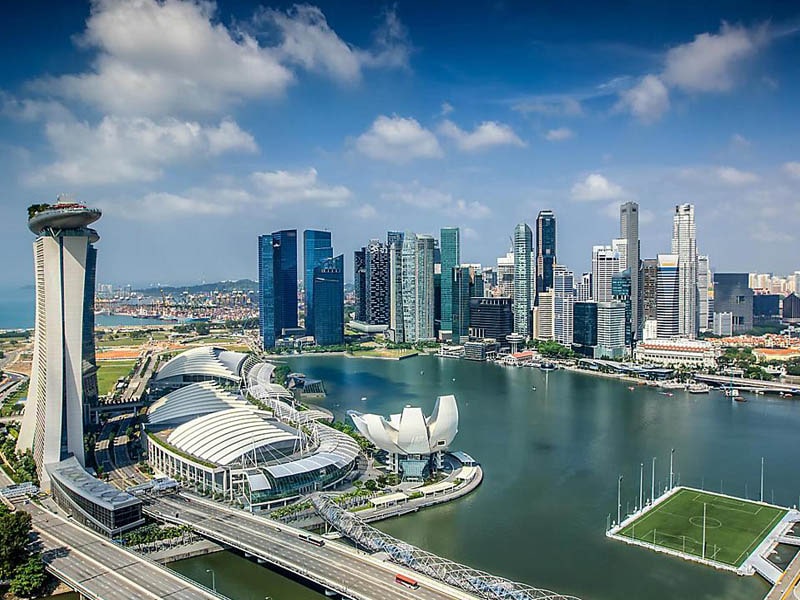
Singapore, officially the Republic of Singapore, is a sovereign city-state and island nation in Southeast Asia at the southern tip of the Malay Peninsula. It lies about 85 mi north of the equator, bordered by the Strait of Johor to the north and the Singapore Strait to the south, with Malaysia to the north and Indonesia’s Riau Islands to the south.
Despite its small size — around 710 km² of land across one main island and roughly 60 smaller islets — Singapore stands as one of the most dynamic and globally connected nations in the world.
Singapore’s story is one of transformation. Originally a fishing village and trading post known as Temasek, it became a pivotal entrepôt under British East India Company founder Sir Stamford Raffles in 1819. Over the next century, colonial Singapore grew into a thriving port city.
After World War II and a short period within the Malaysian Federation, Singapore emerged as an independent republic on 9 August 1965. Since then, it has rapidly expanded from a developing port into a worldwide leader in trade, finance, aviation, and urban innovation.
Singapore’s compact terrain includes its diamond-shaped main island and dozens of satellite islets. Most of the landscape rises only modestly above sea level, with Bukit Timah Hill as its highest natural point at around 164 m (538 ft). The city-state experiences a tropical rainforest climate — warm and humid year-round, with abundant rainfall and lush greenery throughout its parks and nature reserves.
Singapore’s population is multicultural and multilingual, with significant Chinese, Malay, Indian, and Eurasian communities. English serves as the primary language for government and business, complemented by Malay (the national language), Mandarin Chinese, and Tamil in official use.
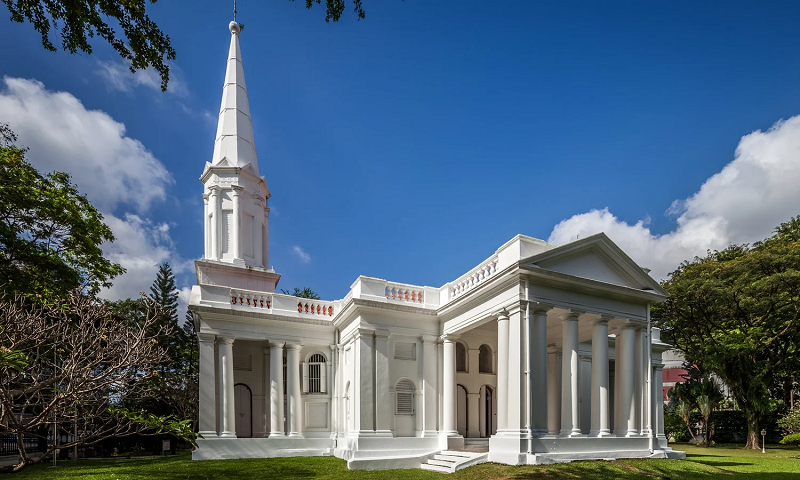
This cultural blend is reflected in Singapore’s vibrant neighbourhoods — from Chinatown and Little India to Kampong Glam — each offering distinct traditions, festivals, and culinary experiences. The city-state is well known for its safe, clean, and orderly urban environment, supported by efficient public transport and strict public policies.
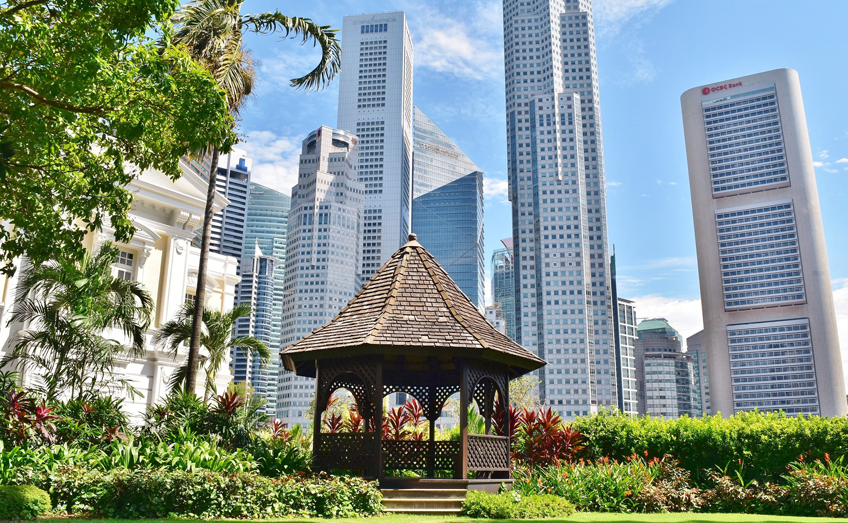
Although highly urbanised, Singapore embraces nature at every turn. Wide green boulevards, nature reserves like Bukit Timah and Sungei Buloh, and the Singapore Botanic Gardens — the only tropical garden inscribed as a UNESCO World Heritage Site — underline its “Garden City” identity.
From the futuristic Supertrees of Gardens by the Bay to mangrove forests and coastal walks, the city’s green spaces provide respite and balance within a bustling metropolis.
Singapore is a global crossroads for business and travel. Its award-winning Changi Airport connects the city-state to every corner of the globe, while the strategic maritime location near the Malacca Strait anchors it as one of the world’s busiest ports.
Whether you’re moving between continents, exploring Southeast Asia, or starting a business journey, Singapore’s infrastructure and connectivity make it an accessible and dynamic destination.
Singapore’s food culture is a highlight for many visitors. From hawker centres serving local favorites like Hainanese chicken rice and laksa to fine-dining restaurants recognized on the global stage, the country offers a wide culinary spectrum.
The mix of local and international flavours mirrors Singapore’s multicultural identity, making food a central part of the Singapore experience.
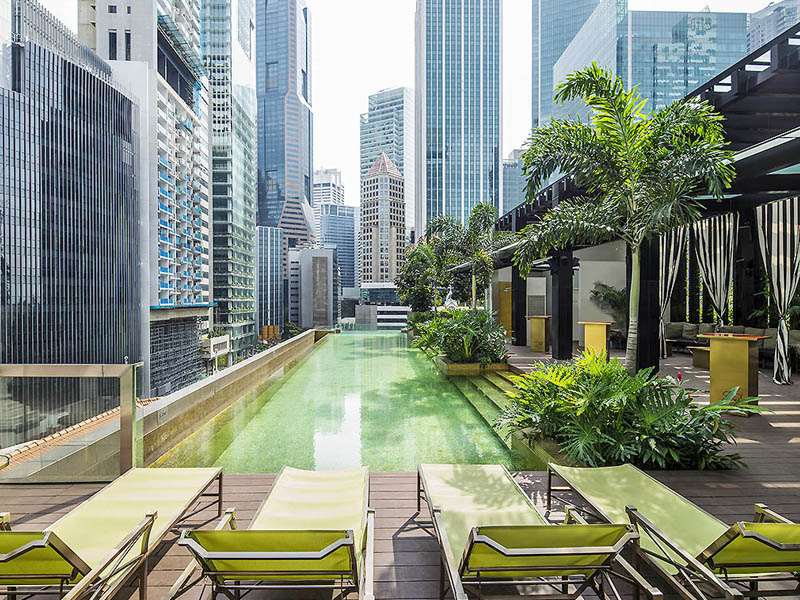
In Magelline’s eyes, Singapore is a city of clarity and contrast — a place where tradition informs innovation, lush greenery coexists with cutting-edge architecture, and every journey feels both purposeful and open to discovery. It is a nation that welcomes the world with precision, curiosity, and thoughtful design — and where every traveller finds depth beyond the guidebook.