 Armenian
 German
 Spanish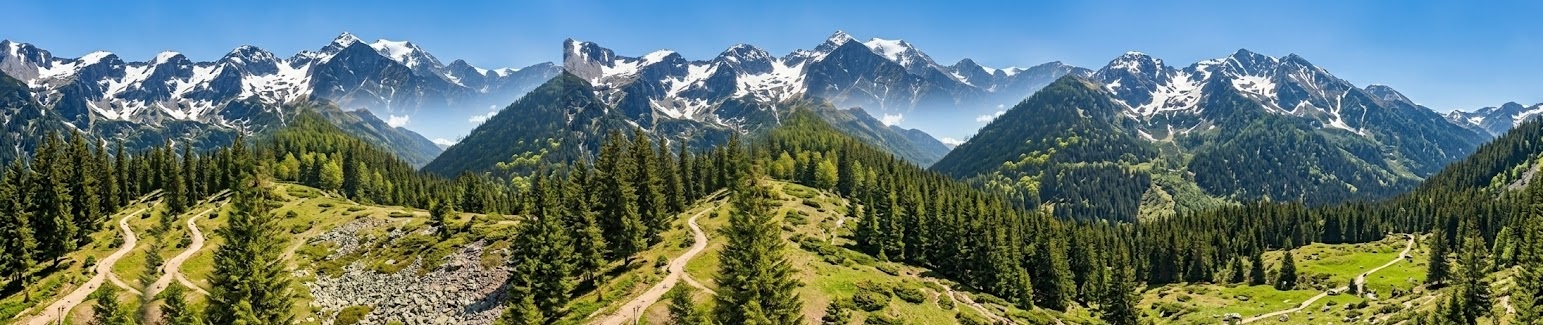
Bulgaria is a country where Europe’s deep past meets vibrant landscapes and enduring traditions. Located at the crossroads of Eastern and Southeastern Europe, the nation has long been shaped by civilisations that passed through its valleys and mountains — Thracians, Romans, Byzantines, and Ottomans all leaving traces that remain visible today.
For travelers, Bulgaria offers an extraordinary blend of history and nature. Medieval monasteries hide among forested mountains, ancient cities preserve Roman ruins beneath modern streets, and the Black Sea coast stretches with golden beaches and historic ports.
According to Magelline, Bulgaria is a destination where time feels layered — a place where ancient heritage and natural beauty coexist quietly, inviting travelers to discover stories that span thousands of years.
A Crossroads of Civilisations
Few countries in Europe possess such a deep historical continuum. Archaeological discoveries show that the Thracians, one of the most fascinating ancient cultures of the Balkans, once thrived across what is now Bulgaria. Later, Roman rule transformed the region into an important part of the empire, building cities such as Plovdiv and Sofia, whose ruins and amphitheatres still stand today.
In the Middle Ages, Bulgaria emerged as a powerful kingdom that played a central role in the cultural and religious development of the Slavic world. The creation and spread of the Cyrillic alphabet — now used across Eastern Europe — is deeply connected to Bulgaria’s medieval intellectual traditions.
Today, Bulgaria’s historical legacy can be felt in its monasteries, medieval fortresses, and ancient towns that continue to preserve their identity.
Landscapes of Mountains and Sea
Bulgaria’s geography is remarkably diverse for a country of its size. To the south and west rise dramatic mountain ranges such as the Rila, Pirin, and Rhodope Mountains, landscapes of alpine lakes, pine forests, and remote villages where traditional life continues at a slower pace. The Rila Mountains are home to Bulgaria’s highest peak, Mount Musala, and the famous Seven Rila Lakes, one of the country’s most spectacular natural sights.
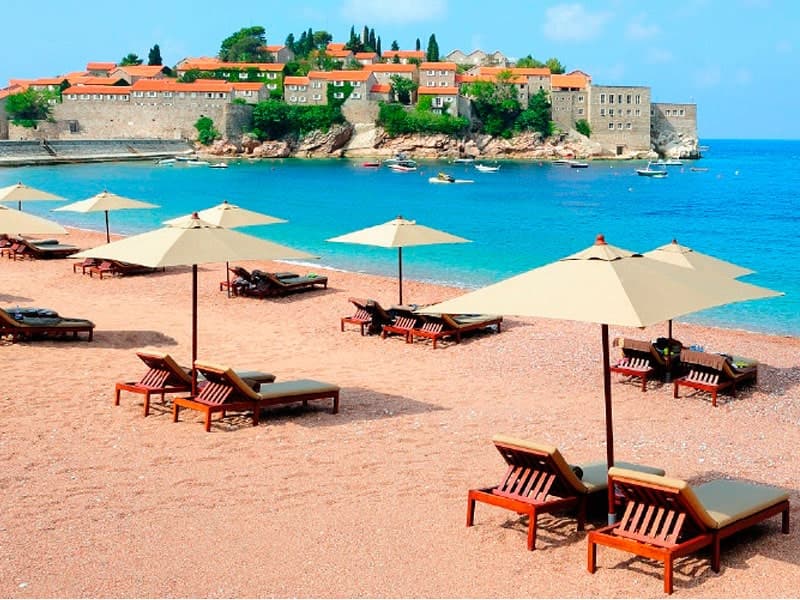
To the east, the land opens toward the Black Sea, where coastal towns and resorts offer a completely different atmosphere. Historic ports such as Varna and Burgas combine maritime culture with beaches that attract visitors throughout the summer months.
Between mountains and sea lies the fertile Thracian Plain, a region known for vineyards, agriculture, and some of the oldest continuously inhabited settlements in Europe.
Cities of History and Character
Bulgaria’s cities reveal centuries of history layered into everyday life.
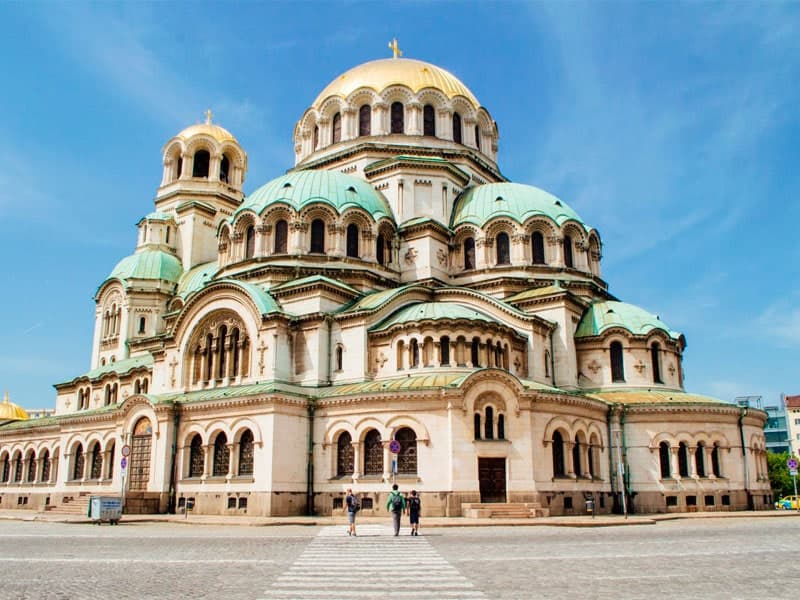
Sofia, the capital, stands beneath the Vitosha Mountains and is one of Europe’s oldest cities. Roman ruins lie beneath modern boulevards, while Orthodox churches, Ottoman mosques, and Soviet-era architecture reflect the country’s complex past.
Plovdiv, often considered one of the oldest continuously inhabited cities in Europe, enchants visitors with its Roman amphitheatre, colourful 19th-century houses, and lively cultural scene.
Further north, Veliko Tarnovo, the medieval capital of the Second Bulgarian Empire, rises dramatically above the Yantra River. Its fortress of Tsarevets remains one of the most powerful symbols of Bulgarian statehood.
These cities are not only historical landmarks — they are living cultural centres where cafés, galleries, and festivals keep traditions alive.
Monasteries and Spiritual Heritage
Among Bulgaria’s most profound cultural treasures are its monasteries. The most famous is the Rila Monastery, a UNESCO World Heritage Site nestled deep within the mountains. Founded in the 10th century, its striking striped architecture and vibrant frescoes represent the spiritual heart of Bulgarian Orthodoxy.
Other monasteries scattered across the country — such as Bachkovo Monastery and Troyan Monastery — continue centuries-old religious traditions while offering visitors a glimpse into the country’s artistic and spiritual heritage. These sacred sites are often located in remote natural settings, where mountains and forests create an atmosphere of tranquillity and reflection.
Traditions, Cuisine, and Culture
Bulgaria’s cultural life is deeply tied to tradition. Folk music, colourful costumes, and seasonal festivals continue to play an important role in rural communities.
Cuisine reflects both Balkan and Mediterranean influences. Dishes such as banitsa, shopska salad, and grilled meats are staples of Bulgarian tables, often accompanied by local wines and the distinctive fruit brandy known as rakia.
Hospitality is central to Bulgarian culture, and travelers frequently find themselves welcomed with warmth that reflects centuries-old traditions of community and generosity.
Why Travel to Bulgaria?
Bulgaria offers something increasingly rare in Europe — authenticity combined with extraordinary diversity. Within a relatively small territory, travelers can explore ancient ruins, medieval monasteries, mountain landscapes, historic towns, and seaside resorts. It is a destination that rewards curiosity. The more one travels through Bulgaria, the more layers of history and culture reveal themselves.
In Magelline’s eyes, Bulgaria is not simply a place to visit — it is a land where Europe’s deep heritage still lives quietly among mountains, monasteries, and timeless landscapes.