 Armenian
 German
 Spanish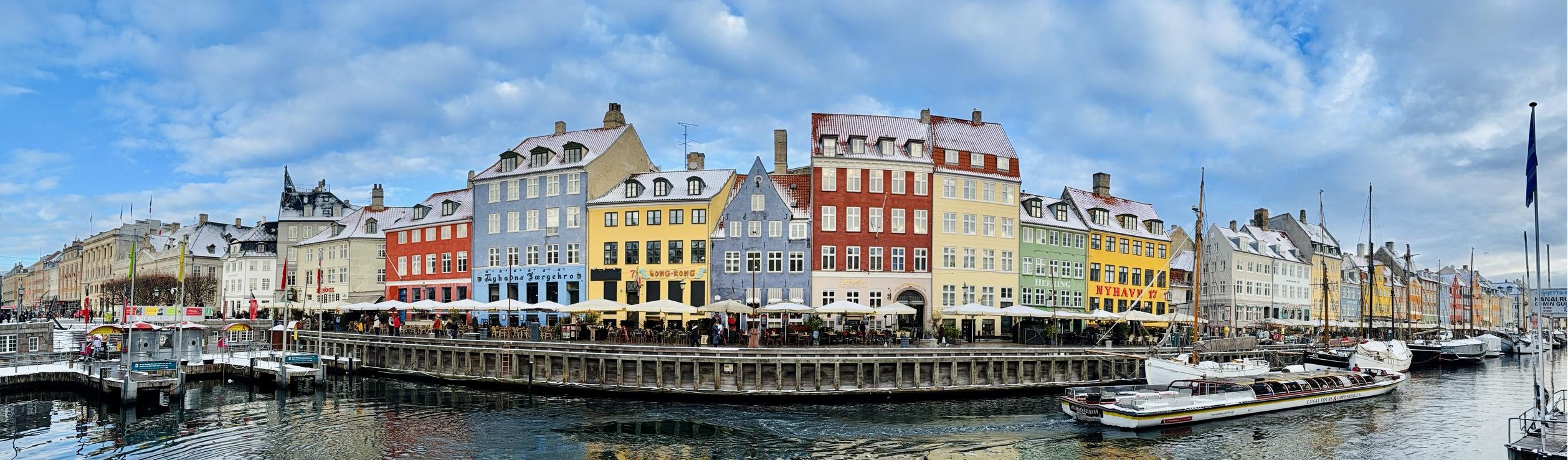
Traveling across Denmark feels like moving through a carefully composed scene: medieval towns stand beside contemporary architecture, royal palaces overlook calm waters, and islands appear one after another across narrow straits.
In Magelline’s view, Denmark’s sights are not defined by spectacle alone, but by balance — a harmony between nature, design, and history that feels uniquely Danish.
Copenhagen
Denmark’s capital is the natural starting point for discovering the country’s cultural heart.
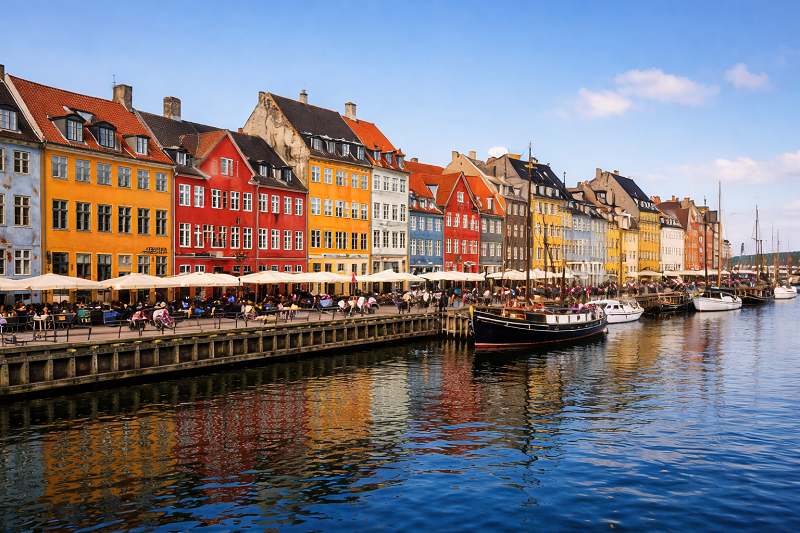
Copenhagen blends royal heritage with modern creativity. Along the colourful waterfront of Nyhavn, historic merchant houses reflect in the canals, while cafés and small boats create an atmosphere that feels both lively and relaxed.
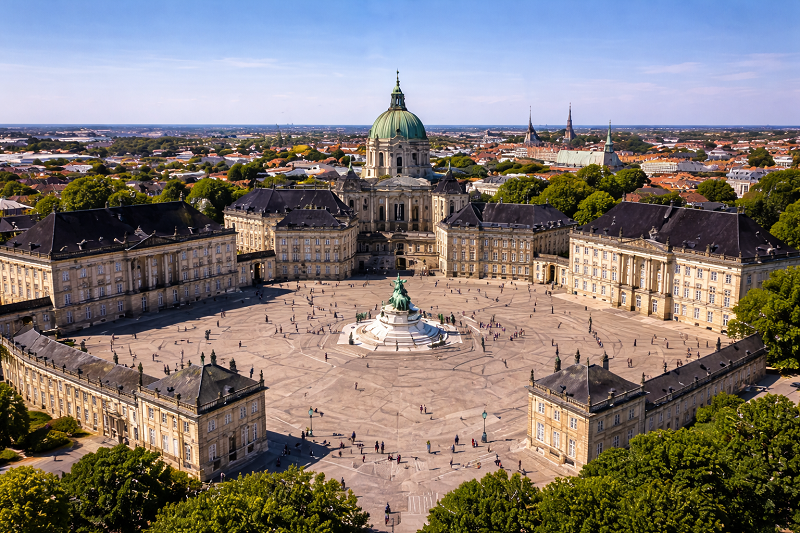
Nearby stands Amalienborg Palace, the residence of the Danish royal family, where visitors can watch the ceremonial changing of the guard. A short walk away, the famous Little Mermaid statue quietly watches over the harbour — a modest monument that has become one of Denmark’s most recognised symbols.
In Copenhagen, centuries-old landmarks exist alongside bold contemporary design, making the city one of Europe’s most refined urban landscapes.
Kronborg Castle
At the narrow entrance to the Øresund Strait stands Kronborg Castle, one of Northern Europe’s most impressive Renaissance fortresses.
Built to control maritime trade between the North Sea and the Baltic Sea, the castle once collected tolls from passing ships and played a crucial role in Denmark’s wealth and influence.
Today, Kronborg is known worldwide as the legendary setting of Shakespeare’s Hamlet. Walking through its grand halls and stone courtyards, visitors sense both the power and drama that have surrounded this fortress for centuries.
Aarhus
Denmark’s second-largest city offers a different perspective on Danish life — youthful, artistic, and forward-looking.
The historic open-air museum Den Gamle By recreates entire streets from Denmark’s past, allowing visitors to walk through centuries of daily life. Nearby, the ARoS Art Museum stands as one of Scandinavia’s most striking modern cultural institutions, crowned by its circular rainbow panorama overlooking the city.
Skagen
At Denmark’s northernmost tip lies Skagen, a landscape defined by light, sea, and open horizons. Here two seas — the North Sea and the Baltic — meet in a restless dance of waves. The surrounding dunes and beaches create one of the most distinctive coastal environments in Scandinavia.
Skagen has long inspired artists drawn by its unique northern light, and the town still carries an atmosphere of quiet creativity.
Standing at Grenen, the narrow sandbar where the seas collide, visitors witness one of Denmark’s most memorable natural sights.
Odense
Located on the island of Funen, Odense offers a journey into Denmark’s literary and cultural past. The city is the birthplace of Hans Christian Andersen, whose fairy tales have traveled across generations and continents. Today, museums and historic streets celebrate the writer’s life while preserving the charm of old Danish town architecture.
Walking through Odense feels almost like stepping into one of Andersen’s stories — where narrow lanes, colourful houses, and small squares create a gentle sense of nostalgia.
The Cliffs of Møns Klint
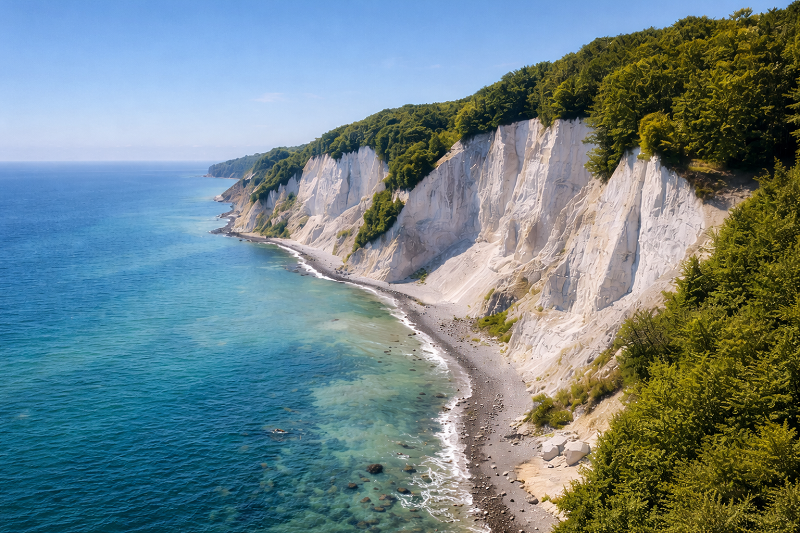
Rising dramatically above the Baltic Sea, the white chalk cliffs of Møns Klint reveal one of Denmark’s most striking natural landscapes. These towering cliffs stretch for several kilometres along the island of Møn, where forests meet the sea and the water shifts between deep blue and turquoise.
The cliffs were formed over millions of years and remain one of the country’s most remarkable geological sites. Walking along the coastal trails or descending the long staircase to the beach below offers breathtaking views of Denmark’s quieter wilderness.
The Danish Islands
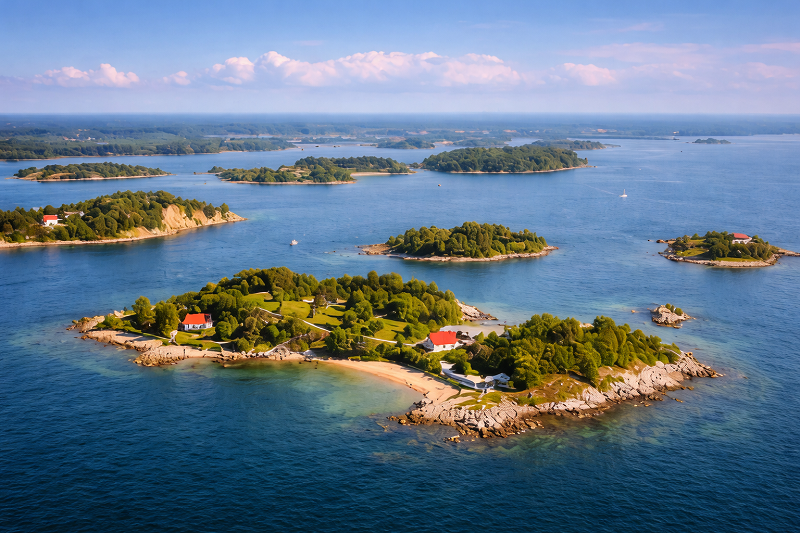
Denmark is a nation of islands — more than four hundred in total — and exploring them reveals the country’s maritime soul. From the cultural island of Funen to the quiet shores of Bornholm in the Baltic Sea, each island offers its own rhythm of life shaped by fishing villages, farmland, and open water.
Traveling between these islands often involves bridges, ferries, and coastal roads, making the journey itself part of the experience.
Magelline Perspectives
Denmark’s sights invite discovery through atmosphere, design, and history that feels quietly enduring. Cities remain human in scale, landscapes open gently toward the sea, and even the grandest monuments retain a sense of restraint.
In Magelline’s eyes, Denmark is a country where every place tells a story — not through grandeur alone, but through harmony between people, land, and time.