 Armenian
 German
 Spanish

Ethiopia stands apart in the world of travel. It is a country where the story of humanity stretches back farther than almost anywhere else on Earth, and where landscapes feel both timeless and dramatic.
Often described as the cradle of humanity, Ethiopia holds some of the earliest evidence of human ancestors. Yet its identity is not defined only by ancient history. The country remains a living mosaic of cultures, languages, traditions, and landscapes that continue to evolve today. From the cool highlands of the north to the scorching deserts of the east, Ethiopia offers a journey through environments that seem almost like different worlds within a single country.
For travelers seeking destinations that feel authentic and deeply rooted in history, Ethiopia offers an experience unlike any other.
In Magelline’s eyes, Ethiopia is not simply a destination to visit — it is a place where the past and present exist side by side, shaping a culture that remains remarkably alive.
A Land of Extraordinary Landscapes
Few countries contain such a dramatic variety of landscapes within their borders. Much of Ethiopia is defined by its highlands, a vast plateau rising thousands of meters above sea level. Deep valleys, dramatic cliffs, and fertile farmland create sweeping panoramas that have shaped life here for centuries.
Among the most spectacular regions are the Simien Mountains, where jagged peaks and sheer escarpments form one of Africa’s most breathtaking national parks. Trekking across these highlands reveals a landscape filled with rare wildlife, including the striking gelada monkey and the endangered Ethiopian wolf.
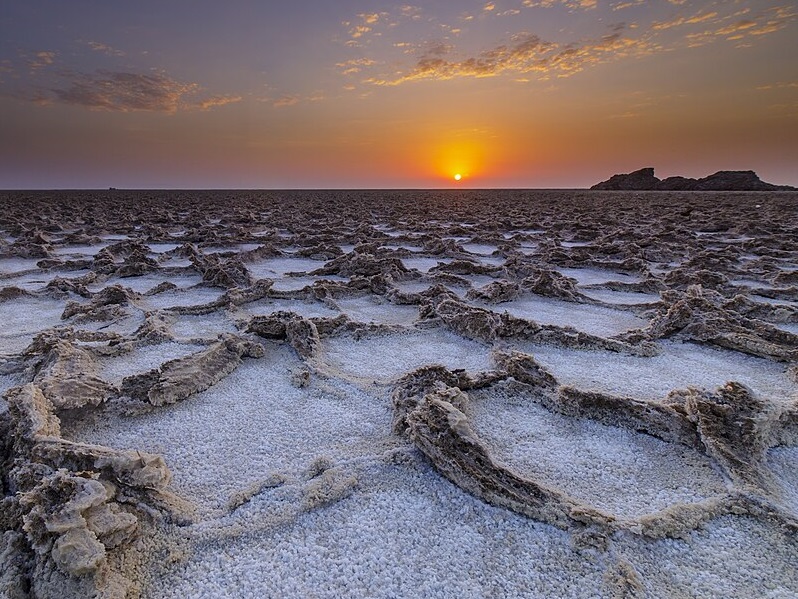
In stark contrast lies the Danakil Depression in the northeast. This extreme environment is one of the hottest and lowest places on Earth. Sulfur springs, salt flats, and colourful mineral formations create a landscape that feels almost otherworldly.
Together, these regions reveal the remarkable natural diversity that defines Ethiopia.
A Civilisation Older Than Most Nations
Ethiopia’s history stretches back thousands of years and includes one of Africa’s most powerful ancient civilisations. The Kingdom of Aksum, which flourished nearly two thousand years ago, controlled important trade routes linking Africa, Arabia, and the Mediterranean world. Its rulers erected massive stone obelisks that still stand today as symbols of the kingdom’s influence and architectural skill.
Later centuries saw the rise of remarkable religious monuments, most famously the rock-hewn churches of Lalibela. Carved directly into volcanic rock during the medieval period, these churches remain among the most extraordinary architectural achievements in the world.
Unlike many historical monuments, Lalibela is not simply a relic of the past. It continues to serve as a living place of worship and pilgrimage for Ethiopian Orthodox Christians.
Across Ethiopia, ancient traditions remain closely connected to modern life, giving the country a unique historical continuity.
Culture, Faith, and Living Traditions
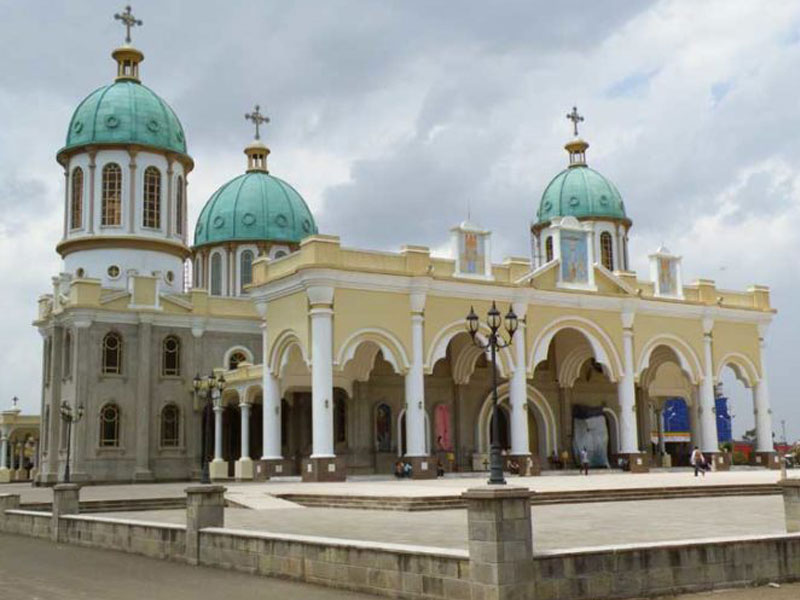
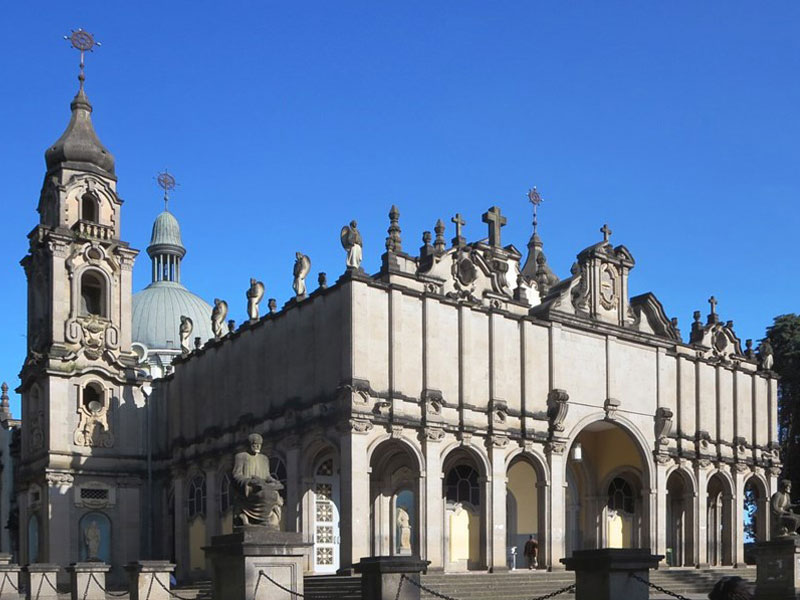
Religion plays a central role in Ethiopian society, shaping festivals, daily life, and community traditions. The Ethiopian Orthodox Church has maintained many practices that date back centuries. Religious processions, ceremonial music, and colourful festivals are still celebrated across towns and villages throughout the country.
Christianity arrived in Ethiopia in the 4th century, making it one of the oldest Christian nations in the world. Islamic communities have also been present for centuries, contributing to the country’s rich cultural diversity.
Ethiopia is home to more than 80 ethnic groups, each with its own language, customs, and cultural traditions. This diversity has created a vibrant cultural landscape that travellers can experience through local markets, traditional music, and everyday life.
Ethiopian Cuisine
Ethiopian cuisine is one of the most distinctive culinary traditions in Africa. Meals are typically served on injera, a soft sourdough flatbread made from teff flour. Instead of individual plates, various stews and vegetable dishes are placed directly on the injera, and diners share the meal using pieces of the bread.
Among the most well-known dishes is doro wat, a richly spiced chicken stew prepared with berbere spice and slow-cooked onions. Another traditional specialty is kitfo, finely minced beef seasoned with spices and clarified butter.
Vegetarian dishes are also central to Ethiopian cooking, particularly during fasting periods observed by the Orthodox Church.
Dining in Ethiopia is often a social experience, reflecting the strong cultural importance of hospitality and communal meals.
The Birthplace of Coffee
Few cultural traditions are as closely linked to Ethiopia as coffee. According to legend, coffee was first discovered in the Ethiopian highlands centuries ago. Today, the country remains one of the world’s most important coffee producers.
Coffee ceremonies are a daily ritual in many Ethiopian homes. Beans are freshly roasted, ground, and brewed in a clay pot known as a jebena before being served to guests in small cups.
The ceremony is not rushed. It is a moment of conversation, community, and hospitality. For travellers, participating in a traditional coffee ceremony offers one of the most authentic cultural experiences in Ethiopia.
Festivals and Celebrations
Ethiopia’s calendar is filled with vibrant religious celebrations that bring communities together. These festivals reveal the deep spiritual heritage that continues to shape Ethiopian life. One of the most important is Timkat, the Ethiopian Orthodox celebration of Epiphany. During this festival, priests carry sacred replicas of the Ark of the Covenant through the streets while thousands of worshippers gather for colourful processions and ceremonial blessings.
Another widely celebrated holiday is Meskel, which commemorates the discovery of the True Cross. Large bonfires are lit in cities and villages across the country as communities gather for music, prayer, and celebration.
Why Travel to Ethiopia?
Travelling in Ethiopia is unlike visiting many other destinations. Here, ancient civilisations, dramatic landscapes, and enduring traditions combine to create experiences that feel both authentic and profound.
Visitors can explore medieval churches carved from rock, trek through spectacular mountain landscapes, witness centuries-old religious festivals, and share coffee with local communities whose traditions have remained largely unchanged for generations.
For travellers seeking places where history and culture remain deeply connected to everyday life, Ethiopia offers a journey that feels both enriching and unforgettable.
In Magelline’s eyes, Ethiopia is a destination where the story of humanity feels close at hand — a land where ancient heritage and living traditions continue to shape the rhythm of modern life.