 Armenian
 German
 Spanish
Castles, Bridges and Landscapes
Czechia is a country where history feels remarkably close. Medieval towns, royal castles, and dramatic natural landscapes appear across a land that has stood at the crossroads of European culture for centuries. From the Gothic skyline of Prague to colourful towns along winding rivers, the country offers travelers a collection of sights that blend architecture, history, and nature in extraordinary harmony.
Exploring Czechia means discovering places where emperors ruled, artists created masterpieces, and traditions survived through centuries of change.
Among the many remarkable destinations across the country, several stand out as icons of Czech heritage and beauty.
Architectural & Cultural Heritage
Czechia’s architectural heritage is one of the country’s greatest attractions for visitors. Across its towns and landscapes stand castles and châteaux from many historical epochs, reflecting centuries of royal dynasties, noble families, and artistic traditions.
Among the most celebrated examples are Karlštejn Castle, the fairytale-like town of ?eský Krumlov, and the elegant Lednice–Valtice Cultural Landscape, one of Europe’s most remarkable designed landscapes. These sites reveal the depth of the country’s architectural history and its long connection to European cultural heritage.
Religious architecture also plays an important role in the Czech landscape. The country is home to twelve cathedrals and fifteen churches elevated to the rank of basilica by the Pope, alongside numerous monasteries that once served as spiritual and intellectual centres across the region.
Beyond the historic cities, nature offers another dimension of exploration. Landscapes such as Bohemian Paradise, the Bohemian Forest, and the Giant Mountains attract travelers seeking hiking, outdoor adventures, and sweeping natural scenery.
Czechia also maintains a vibrant cultural life through its many museums and artistic traditions. Puppetry and marionette theatre—an art form deeply rooted in Czech culture—are celebrated through exhibitions and festivals held throughout the year. Beer festivals, meanwhile, reflect the country’s long brewing heritage and lively social traditions.
For visitors seeking modern leisure, attractions such as Aquapalace Prague in ?estlice, the largest water park in the country, add another dimension to the Czech travel experience.
Prague Castle
Rising high above the Vltava River, Prague Castle forms one of the most impressive historic complexes in Europe. Founded in the 9th century, the castle has served as the seat of Czech kings, Holy Roman emperors, and modern presidents. Over the centuries, its architecture evolved into a remarkable blend of Romanesque, Gothic, Renaissance, and Baroque styles.
At the heart of the complex stands St. Vitus Cathedral, whose towering spires dominate the skyline of Prague.
Walking through the castle grounds reveals royal courtyards, historic halls, and panoramic views over the red rooftops of the Old Town below. Today, Prague Castle remains both a symbol of Czech history and one of the most visited landmarks in Central Europe.
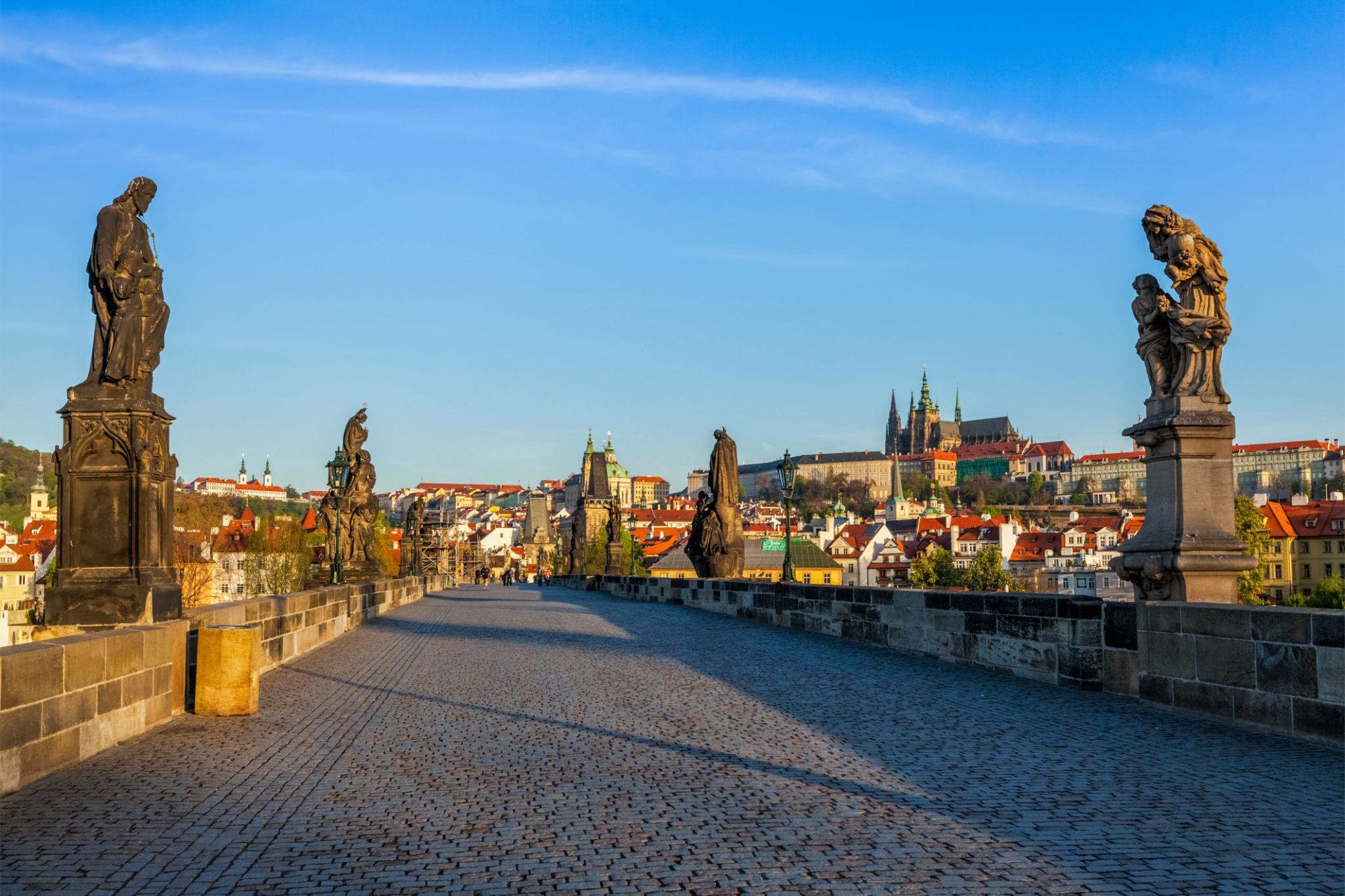
Charles Bridge
Few bridges in Europe possess the atmosphere of Charles Bridge, one of Prague’s most iconic landmarks. Constructed in the 14th century under the rule of Emperor Charles IV, the bridge connects the Old Town with the historic district of Malá Strana. For centuries, it served as the main route between Prague Castle and the city’s commercial centre.
Thirty statues of saints line its stone balustrades, creating a dramatic procession across the river.
At sunrise, when the city is quiet, and mist rises above the Vltava, the bridge reveals its most magical character.
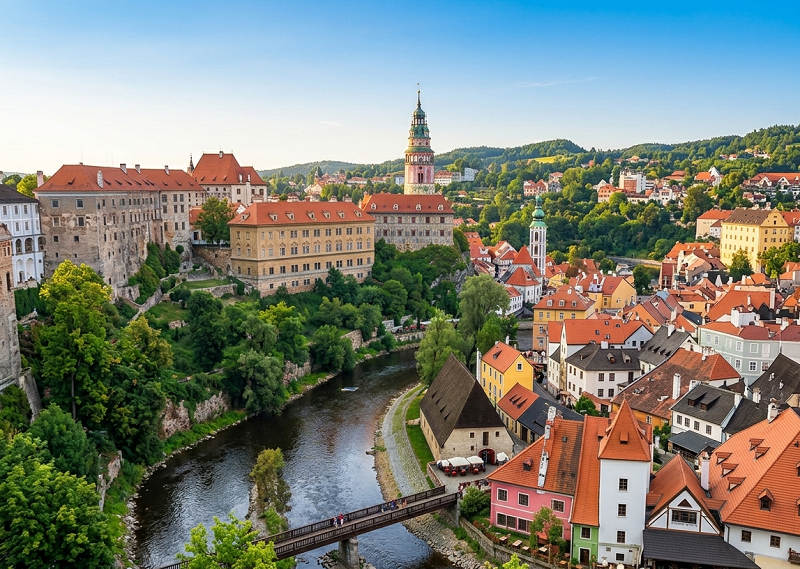
Ceský Krumlov
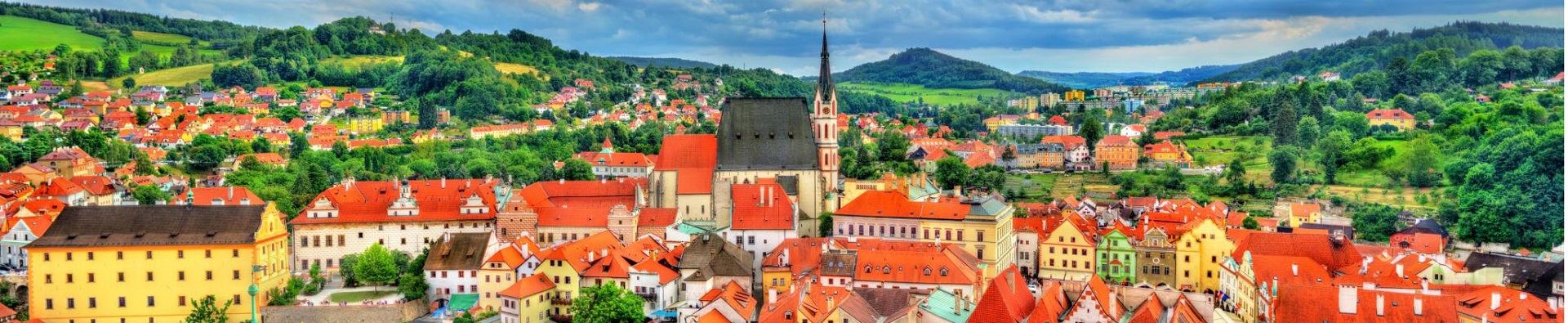
Hidden in southern Bohemia, the town of Ceský Krumlov looks almost unchanged since the Renaissance. Its historic centre, protected as a UNESCO World Heritage Site, sits within a dramatic bend of the Vltava River. Narrow cobbled streets wind between pastel-colored houses, small squares, and medieval arcades. Above the town rises Ceský Krumlov Castle, the second-largest castle complex in the country after Prague Castle.
From the castle gardens, visitors enjoy sweeping views over one of Europe’s most beautifully preserved historic towns. The atmosphere here feels intimate and timeless, especially in the early morning or evening when the streets grow quiet.
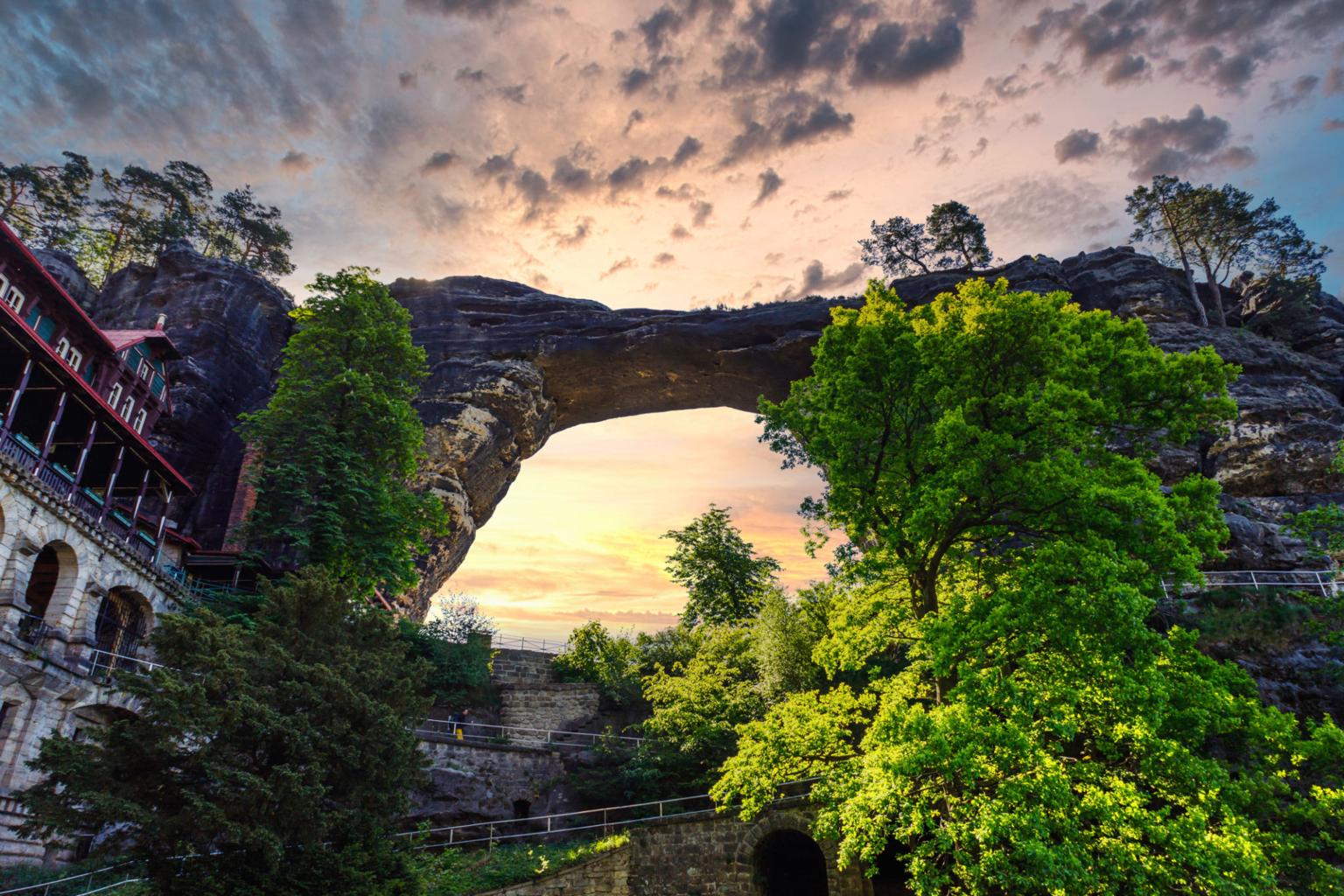
Bohemian Switzerland National Park
In the far north of the country lies one of Czechia’s most dramatic natural landscapes — Bohemian Switzerland National Park. The park is famous for its towering sandstone formations, deep forests, and the magnificent Prav?ická Gate, the largest natural sandstone arch in Europe.
Hiking trails lead through narrow gorges, rocky viewpoints, and peaceful valleys where nature dominates the horizon. The scenery here feels almost cinematic, with cliffs rising above forests that stretch across the border into Germany’s Saxon Switzerland region.
For travelers seeking natural beauty beyond historic cities, Bohemian Switzerland offers one of the country’s most memorable landscapes.
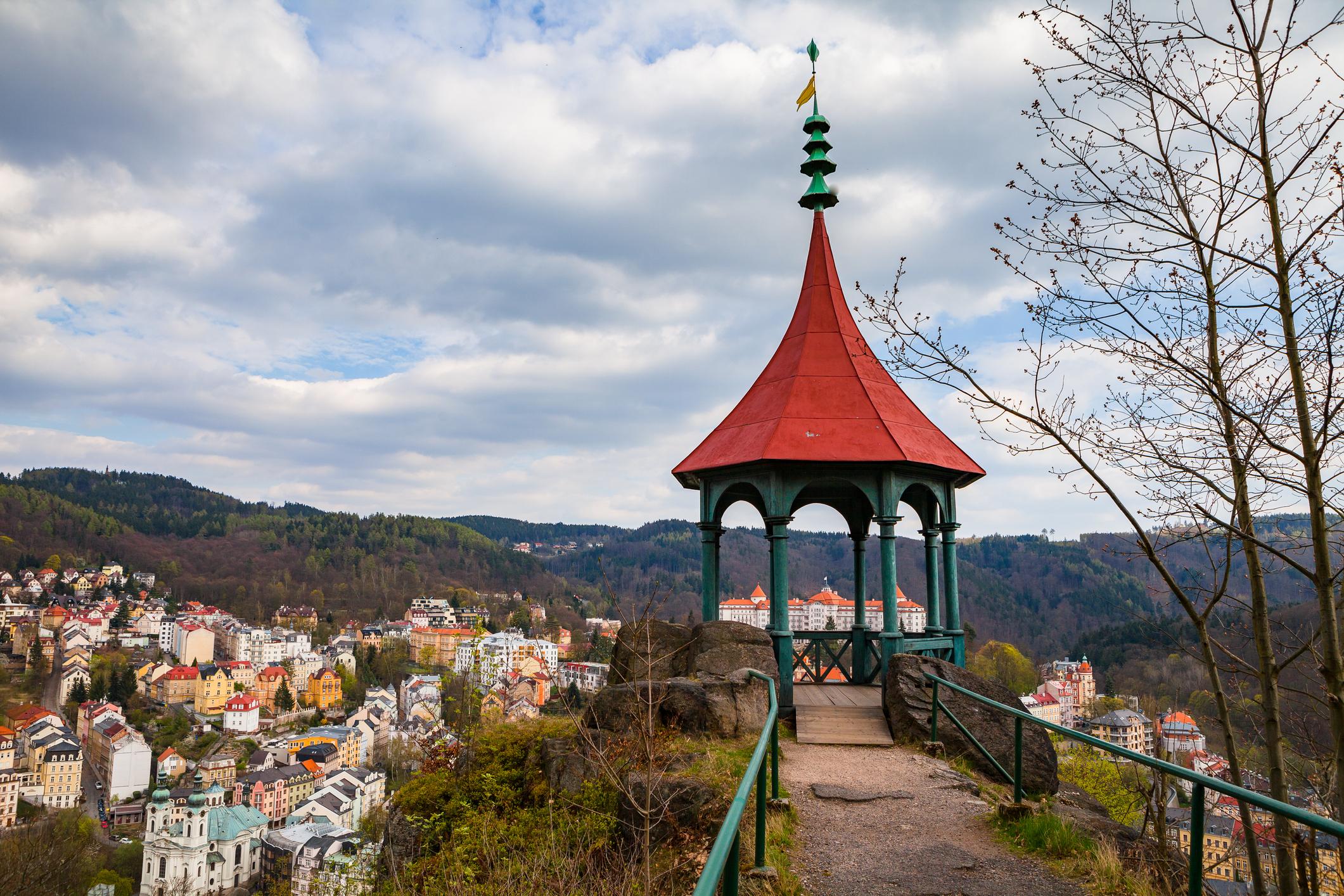
Karlovy Vary
The spa town of Karlovy Vary has attracted visitors for centuries. Founded in the 14th century by Emperor Charles IV, the town became famous for its mineral hot springs believed to have healing properties.
Elegant colonnades line the riverbanks, allowing visitors to walk between fountains while sampling the warm mineral waters. Colourful historic buildings climb the surrounding hillsides, giving Karlovy Vary a distinctive architectural character unlike any other Czech town.
Today, Karlovy Vary remains one of Europe’s most celebrated spa destinations and hosts the internationally renowned Karlovy Vary International Film Festival.
Magelline Perspective
Czechia offers travelers an extraordinary concentration of history, architecture, and natural beauty within a relatively small territory.
In just a few days, visitors can explore grand castles, medieval towns, spa resorts, and mountain landscapes that reflect centuries of Central European heritage.
In Magelline’s view, Czechia is a destination where the past remains present not only in monuments and historic streets, but also in the traditions and cultural life that continue to shape the country today.