 Armenian
 German
 Spanish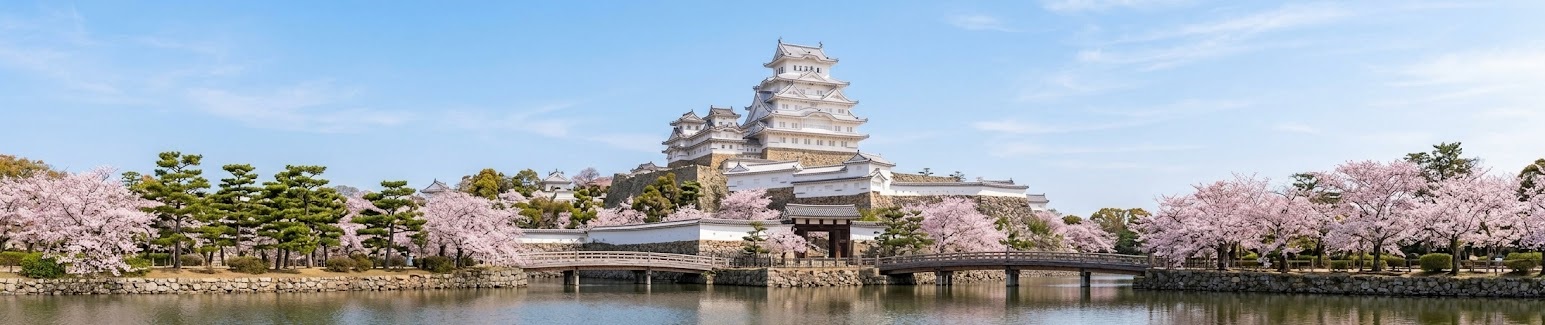
Japan’s most iconic landmarks transcend the visual. They are immersive experiences where light, sound, and movement converge to create something far more powerful than a simple 'view.' It is a country where sacred traditions and urban energy weave together, forming a collection of spaces that are as emotionally resonant as they are breathtakingly beautiful.
Fushimi Inari Taisha (Kyoto)
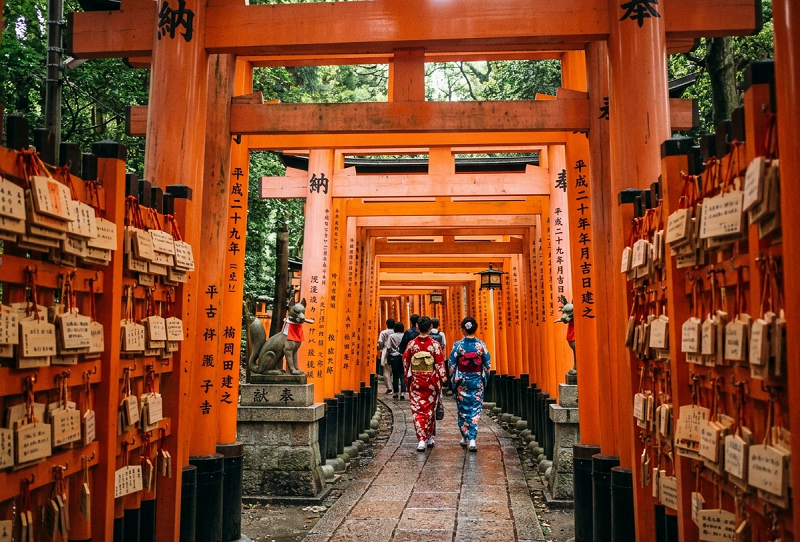
Fushimi Inari Taisha is one of Japan’s most recognisable spiritual landmarks. Thousands of red torii gates form a winding path that leads through forested hills behind the shrine. As visitors walk through these corridors, the outside world gradually fades, replaced by a rhythm of repeating forms and shifting light.
The experience is not defined by a single viewpoint, but by movement — a continuous journey through space that feels both meditative and symbolic.
Mount Fuji (Central Honshu)
Mount Fuji rises as Japan’s most iconic natural landmark. Its near-perfect symmetry and solitary presence give it a visual clarity that has inspired artists, travellers, and spiritual traditions for centuries.
Seen from a distance or reflected in still water, Fuji does not dominate the landscape: it anchors it, creating a sense of balance that extends beyond its physical form.
Arashiyama Bamboo Grove (Kyoto)
Walking through the Arashiyama Bamboo Grove feels like entering a space shaped by light and vertical motion. Tall bamboo stalks rise overhead, filtering sunlight into soft green tones while the sound of wind moving through the leaves creates a quiet, immersive atmosphere.
Shibuya Crossing (Tokyo)
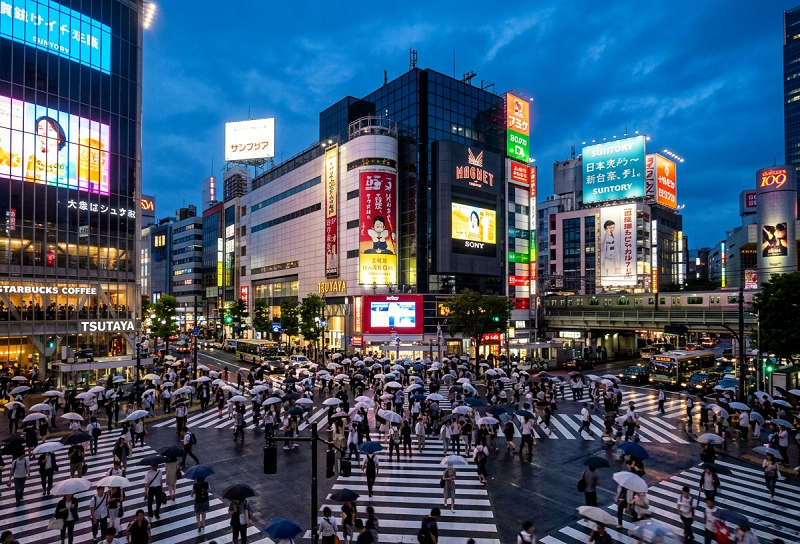
At the heart of Tokyo, Shibuya Crossing represents the pulse of modern urban life. When the lights change, hundreds of people move across the intersection from all directions at once, creating a moment of organised chaos that feels both intense and strangely coordinated.
From above, the crossing appears almost choreographed — a visual expression of Tokyo’s constant movement.
Himeji Castle (Himeji)
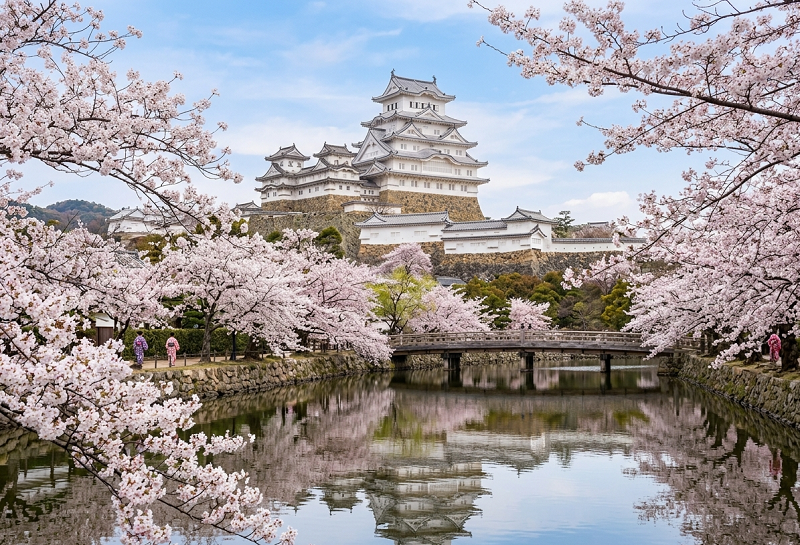
Himeji Castle stands as one of the finest surviving examples of traditional Japanese castle architecture. Its white exterior and layered rooflines give it the nickname “White Heron Castle” as if the structure were about to take flight.
Unlike reconstructed sites, Himeji preserves its original form, offering insight into the defensive design, spatial planning, and aesthetic sensibilities of feudal Japan.
In Magelline’s Eyes, Japan’s landmarks do not compete for attention. They reveal themselves gradually through repetition, through silence, through the subtle interaction between people and place. And in that quiet discovery, each sight becomes more than something to see — it becomes something to feel.