
 Armenian
 German
 Spanish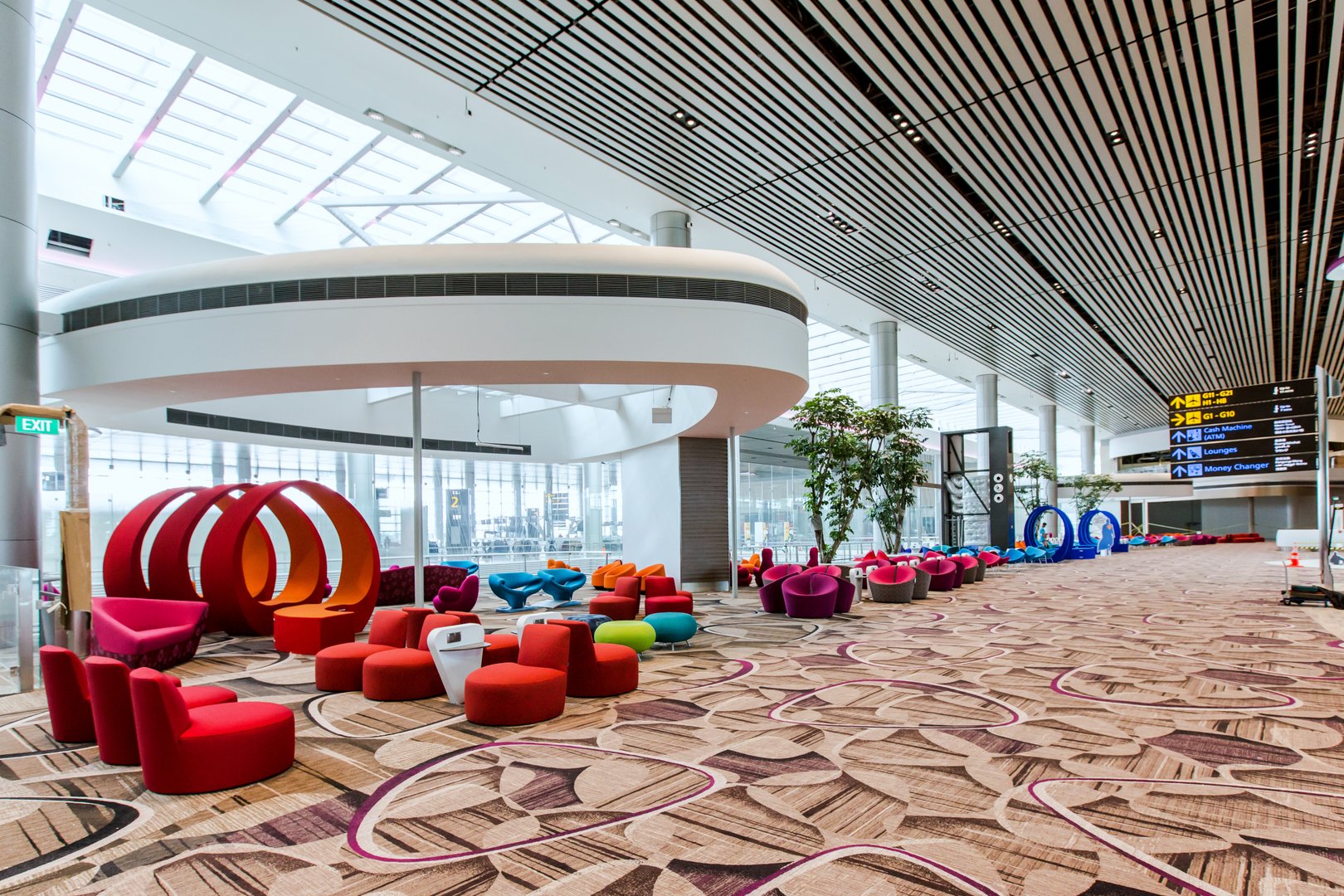

 Changi Airport
Few airports in the world are spoken of with the same admiration as Singapore Changi Airport (SIN). More than a transportation hub, Changi is a destination in itself — a place where efficiency, design, nature, and hospitality come together in perfect balance.
Consistently ranked among the world’s best airports, Changi redefines what it means to travel well. From seamless transfers to lush indoor gardens, every detail is designed to make the journey as memorable as the destination.
Officially opened in 1981, Singapore Changi Airport was conceived as a long-term national investment — not only in aviation, but in global connectivity. Built on reclaimed land along Singapore’s eastern coast, it replaced the former Paya Lebar Airport and quickly grew into one of the world’s most important aviation hubs.
Over the decades, Changi has expanded thoughtfully, guided by a clear philosophy: passengers first. Each terminal reflects this vision, blending cutting-edge technology with calm, human-centred design.
Terminals & Facilities: Designed for Comfort and Flow
Changi Airport currently operates four main terminals (T1–T4), all seamlessly connected by the Skytrain system and pedestrian walkways. A fifth terminal, Terminal 5, is under construction and is expected to be completed by the mid-2030s. Designed to support Singapore’s long-term aviation growth, Terminal 5 will significantly expand capacity and is projected to be larger than all existing terminals combined, handling up to 50 million passengers annually once operational.
In addition to its main terminals, Changi also offers a privately operated luxury facility — the JetQuay CIP Terminal. Comparable in concept to the Lufthansa First Class Terminal in Frankfurt, JetQuay provides premium, personalised services and is accessible to passengers of all airlines and travel classes for a fee.
Currently, Changi Airport has a total designed annual handling capacity of approximately 85 million passengers.
Travellers can expect:
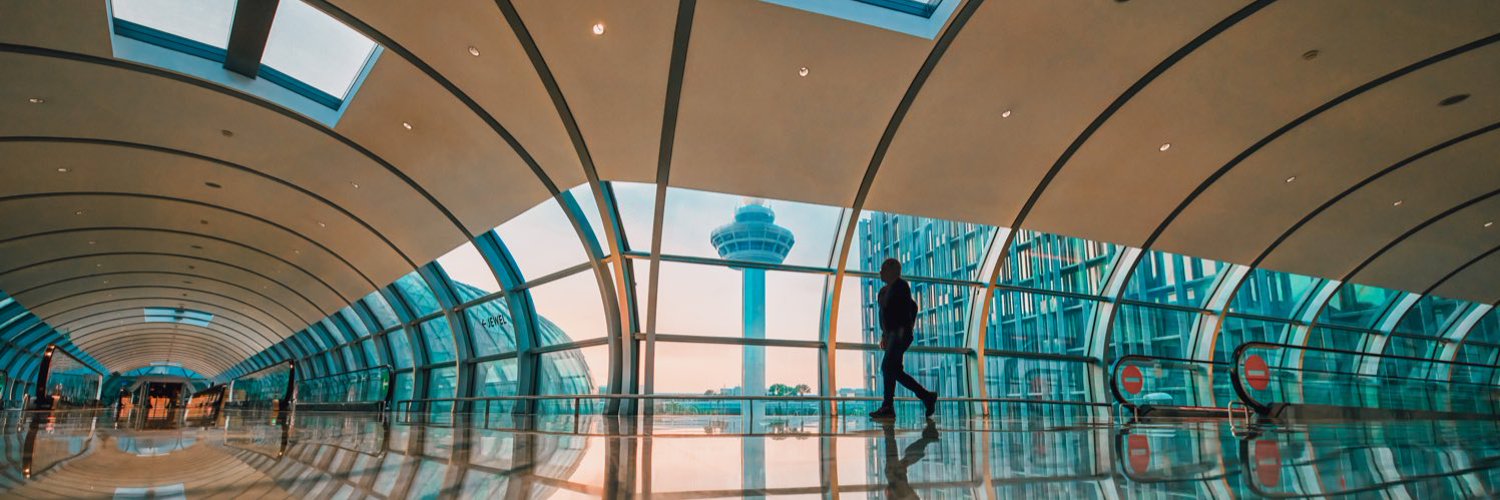
– Spacious, light-filled terminals
– Intuitive layouts and fast immigration processes
– Rest areas, lounges, spas, cinemas, and rooftop pools
– Extensive dining options, from hawker classics to Michelin-starred restaurants
At the heart of the airport lies Jewel Changi Airport, an architectural icon featuring the Rain Vortex, the world’s tallest indoor waterfall, surrounded by a multi-level indoor forest, retail spaces, and leisure attractions.
Changi Airport serves as a major global hub connecting Asia, Europe, Australia, the Middle East, and North America, linking Singapore to hundreds of destinations worldwide. It is the home base of Singapore Airlines and Scoot, and hosts a wide range of international carriers, making it a preferred transfer point for both long-haul and regional travel.
With efficient transfer procedures and short minimum connection times, Changi is especially popular among transit passengers.
What truly sets Changi apart is its commitment to redefining the airport experience, where indoor gardens of butterflies and orchids, curated art and interactive spaces, and quiet corners for rest and reflection come together to create a rare sense of calm — even at peak travel times.
Located about 20 km east of central Singapore, Changi Airport is easily reached by MRT via the East–West Line, taxis and ride-hailing services in 20–30 minutes, public buses serving all terminals, or private transfers, with clear signage and world-class infrastructure ensuring smooth travel at any time of day.
In Magelline’s view, some airports move people — but Changi moves experiences. At Singapore Changi Airport, travel is never rushed; it flows. Nature softens steel and glass, efficiency feels effortless, and even a layover becomes a meaningful part of the journey.
Changi is not just where you pass through. It’s where the journey already begins.