 Armenian
 German
 Spanish
 2026-09-18 15:30:00
Kyoto was Japan's imperial capital for over a thousand years. Walk its streets today and you understand why the emperors never left. The city keeps its history alive in ways that feel less like preservation and more like daily life. Tourists arrive expecting temples and gardens. They leave having felt something deeper.
Fushimi Inari Shrine
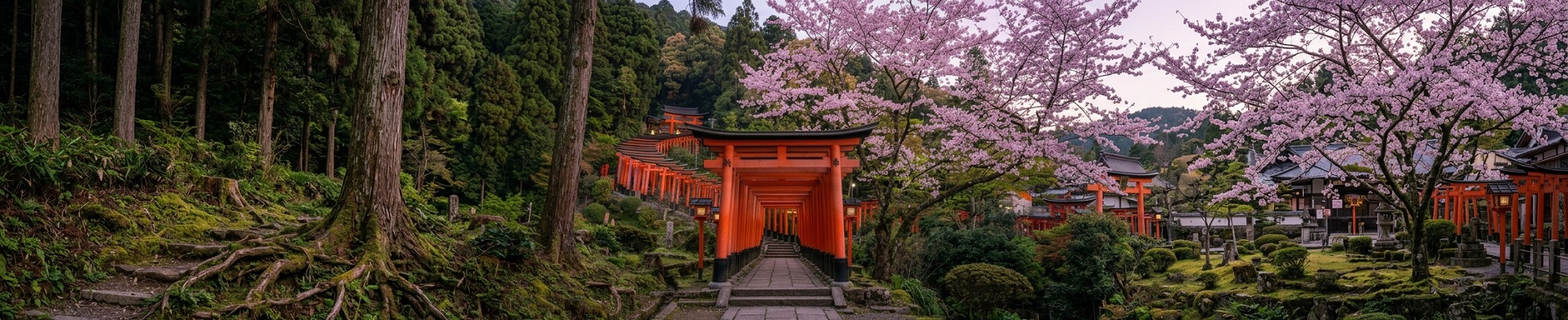
The vermillion torii gates appear in almost every image of Kyoto. Thousands of them wind up the mountainside, creating tunnels of colour that seem to belong to another world. Arrive early, before the crowds. The path at dawn is quiet enough to hear your own footsteps echo through the gates.
Each gate is a donation left by someone seeking blessing or gratitude. Walk deeper and the gates grow smaller, the path narrower. Most visitors turn back halfway. If you continue, the mountain opens into groves and quiet shrines that few ever see. That's where Fushimi's real magic lives.
Arashiyama Bamboo Grove
The bamboo forest feels like stepping into a dream someone forgot to wake up from. Tall stalks of green surround you completely. The light filters through in ways that make photography pointless. Your camera will never capture how it feels to be inside something so alive and still at once.
Go in the early morning or just before sunset. The afternoon crowds turn the grove into a photo line. But at the edges of the day, when the light changes, you'll understand why poets spent centuries writing about bamboo. The sound of the stalks moving in wind is enough to quiet the loudest thoughts.
Kinkaku-ji (The Golden Pavilion)
Gold leaf covers the upper two stories of this temple, and the lake reflects it all back double. It looks unreal because no photograph prepares you for the actual colour. The building sits on the water like it's barely touching down.
The temple was destroyed by fire in 1950 and rebuilt exactly as it was. What stands here now is both ancient and new at the same time. The gardens surrounding it are as important as the pavilion itself. Moss, water, stone arranged in ways that guide your eye and your mind. Patience went into every detail.
Gion District
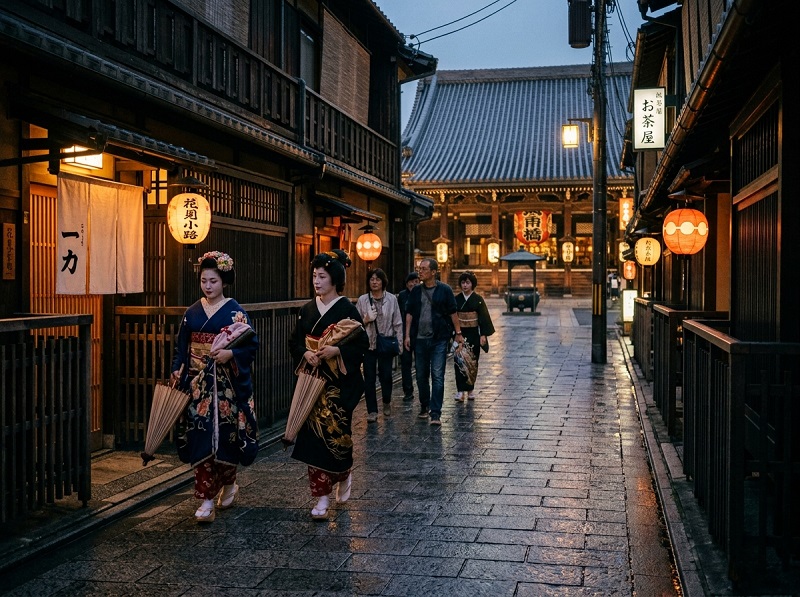
This is where geishas still walk to appointments, hurrying through narrow lanes at dusk. The wooden machiya houses are painted dark grey and brown, their latticed windows glowing from within. Step into Gion at the right hour and time seems to shift.
The restaurants here cook food that takes years to learn. Even eating stands require apprenticeship. If you want to sit down, you'll need reservations weeks in advance, and often a local introduction. But even just walking through and watching the light on old wood and tile is enough. Gion asks nothing of you except to slow down and pay attention.
Kiyomizu-dera (Pure Water Temple)
The wooden stage of this temple juts out from a cliff, suspended over the Kyoto valley below. Pilgrims have jumped from here for centuries seeking miracles or death. Most survived the fall, which became proof of prayers answered. Now you simply stand on the platform and look out. The view extends across the entire city.
Inside the temple, water from the sacred spring runs into three streams. Visitors cup their hands and drink, each stream carrying a different blessing. The water is cold and tastes like stone. People line up for hours to taste it.
Philosopher's Path
This canal-side walk connects two temples through a residential neighbourhood. Cherry trees line the path, and the water reflects everything perfectly. There's almost no one here compared to the major temples. Students and locals use it as a shortcut. Tourists who find it often sit on the banks for hours doing nothing in particular.
In spring the blossoms fall into the water like soft snow. In autumn the leaves match the water's mood. The path is never crowded because it leads nowhere important. That's exactly why it matters.
Ryoan-ji Temple
The rock garden here contains fifteen stones arranged in a sea of raked sand. Buddhist monks designed it centuries ago, and no one knows what it means. That uncertainty is the whole point. You sit on the wooden porch and look at fifteen rocks. Your mind does the rest.
The garden changes depending on where you sit, how the light falls, what you've been thinking about all day. It's the least decorated, least dramatic temple in Kyoto. Also the most difficult to forget.
Magelline’s Perspective
Kyoto reveals itself to travelers who stop moving. Rush through and you'll see postcards. Stay still, wake early, walk at sunset, and the city shows you something personal. That's the difference between visiting Kyoto and understanding it.